Professional manufacturer of one-stop supporting products for industrial and mining accessories.


Understanding the Advantages of Left-Handed Anchor Rods in Industrial Applications
25/03/14 14:20
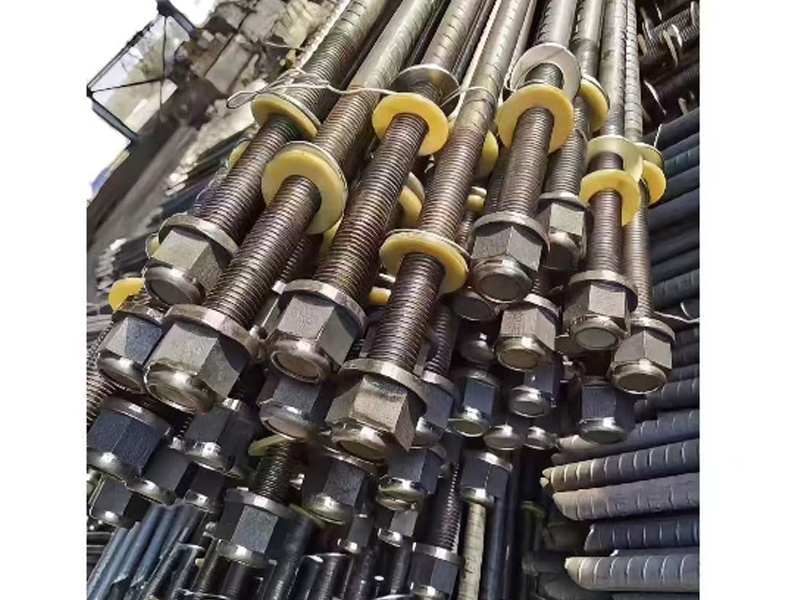
Understanding the Advantages of Left-Handed Anchor Rods in Industrial Applications
Table of Contents
- 1. Introduction to Left-Handed Anchor Rods
- 2. What Are Left-Handed Anchor Rods?
- 3. Applications of Left-Handed Anchor Rods in Industry
- 4. Benefits of Using Left-Handed Anchor Rods
- 5. Installation and Maintenance of Left-Handed Anchor Rods
- 6. Considerations When Choosing Anchor Rods
- 7. Common Questions About Left-Handed Anchor Rods
- 8. Conclusion
1. Introduction to Left-Handed Anchor Rods
In the world of industrial equipment and components, **anchor rods** play a critical role in providing strength and stability to various structures. Among these, **left-handed anchor rods** hold a unique position due to their specialized threading. Understanding their benefits and applications can enable industries to enhance their operational efficiency and safety.
2. What Are Left-Handed Anchor Rods?
Left-handed anchor rods, as the name implies, feature a left-handed thread orientation, which is the opposite of the standard right-handed threading. These rods are typically used in situations where the rotational forces exerted on the rod are likely to cause loosening in right-handed configurations. By employing a left-handed thread, these anchor rods ensure that they remain securely fastened under such conditions.
2.1 Design and Construction
Left-handed anchor rods are designed to meet specific load requirements while resisting tensile forces. They are often made from high-strength materials, including steel alloys, to ensure durability and reliability. The precise manufacturing process ensures that these rods can withstand the rigors of industrial applications.
2.2 Variations in Left-Handed Anchor Rods
While left-handed anchor rods come in various lengths and diameters, they can also be custom-manufactured to meet unique project specifications. This customization allows for greater flexibility in design and application.
3. Applications of Left-Handed Anchor Rods in Industry
Left-handed anchor rods find utility in numerous industrial applications:
3.1 Construction and Civil Engineering
In construction, left-handed anchor rods are often used to secure structural elements, such as **steel beams** and **concrete foundations**. Their ability to resist loosening under load makes them ideal for high-stress environments.
3.2 Wind Turbine Installation
Wind turbines experience significant rotational forces due to wind pressure. Left-handed anchor rods are employed in their installation to prevent unintentional loosening and ensure stability.
3.3 Heavy Machinery and Equipment
In industries that rely on heavy machinery, left-handed anchor rods serve to secure components that experience constant vibration and movement. This ensures that machinery operates optimally and reduces maintenance needs.
3.4 Marine Applications
Marine environments pose unique challenges, including corrosion and movement due to waves. Left-handed anchor rods are used in securing mooring systems and docks, providing additional resilience against environmental forces.
4. Benefits of Using Left-Handed Anchor Rods
The benefits of utilizing left-handed anchor rods extend beyond just securing components. Here are some key advantages:
4.1 Enhanced Stability
Due to their unique threading, left-handed anchor rods provide superior stability in applications where rotational forces are a concern. This stability leads to enhanced safety in industrial operations.
4.2 Reduced Maintenance Costs
By preventing loosening and ensuring long-term securement, left-handed anchor rods can help reduce the frequency of maintenance checks and replacements, saving organizations both time and money.
4.3 Improved Structural Integrity
The use of left-handed anchor rods contributes to the overall integrity of structures by providing reliable fastening solutions, especially in high-stress environments where conventional rods might fail.
4.4 Versatility in Use
These rods can be customized for various industrial applications, enhancing their versatility. This adaptability allows companies to tailor solutions that meet specific project needs.
5. Installation and Maintenance of Left-Handed Anchor Rods
Proper installation and maintenance of left-handed anchor rods are crucial for maximizing their benefits.
5.1 Installation Guidelines
- **Preparation:** Ensure that the hole or anchor base is clean and free from debris.
- **Alignment:** Align the rod correctly to avoid cross-threading, which can lead to failure.
- **Torque Specifications:** Follow manufacturer recommendations for torque settings to ensure optimal fastening.
5.2 Maintenance Practices
- **Regular Inspections:** Conduct routine inspections to identify any signs of wear or corrosion.
- **Lubrication:** Where necessary, apply appropriate lubricants to prevent seizing and facilitate easier future adjustments.
- **Replacement:** Replace any rods showing signs of significant wear or damage to maintain structural integrity.
6. Considerations When Choosing Anchor Rods
When opting for left-handed anchor rods, several factors should be evaluated:
6.1 Load Requirements
Determine the load capacity needed for your specific application to ensure that the chosen rod meets or exceeds these requirements.
6.2 Environmental Conditions
Consider the environmental exposure of the application, including temperature, humidity, and potential corrosive elements, when selecting materials.
6.3 Threading Compatibility
Ensure that the left-handed anchor rods are compatible with the existing components in terms of threading to avoid misalignment issues.
7. Common Questions About Left-Handed Anchor Rods
7.1 What are the common materials used for left-handed anchor rods?
Left-handed anchor rods are typically made from high-strength materials, such as steel alloys, stainless steel, or corrosion-resistant coatings to enhance durability.
7.2 How do left-handed anchor rods differ from right-handed ones?
The primary difference lies in the threading direction. Left-handed anchor rods have counterclockwise threads, making them more effective in applications where rotational forces may cause loosening.
7.3 Are left-handed anchor rods more expensive than right-handed ones?
Generally, left-handed anchor rods may be slightly more expensive due to their specialized nature and lower production volume compared to standard right-handed rods.
7.4 Can left-handed anchor rods be used in any application?
While left-handed anchor rods are versatile, they are most effective in applications where rotational forces are prevalent. Always assess the specific requirements of your project.
7.5 What maintenance is required for left-handed anchor rods?
Regular inspections, lubrication, and timely replacement of worn or damaged rods are essential to maintain their integrity and performance.
8. Conclusion
In summary, left-handed anchor rods offer significant benefits for a variety of industrial applications, from construction to heavy machinery. Their unique design enhances stability, reduces maintenance costs, and improves overall structural integrity. By understanding their advantages and proper usage, industries can optimize their operations and ensure greater safety and reliability. When planning your next project, consider the impactful role that left-handed anchor rods can play in achieving your operational goals.
Related News

Unlocking Efficiency: The Advantages of Customized Three-Roll Idlers for Your Operations
Unlocking Efficiency: The Advantages of Customized Three-Roll Idlers for Your Operations Table of Contents Introduction to Three-Roll Idlers What Are Three-Roll Idlers? The Benefits of Customization Enhanced Performance Through Tailored Solutions Application of Customized Three-Roll Idlers in Various Industries Improving Material Handling Efficiency Maintenance and Durability Consid
Understanding the Importance of Customized Troughing Idler Sets in Material Handling
When it comes to material handling, the efficiency of conveyor systems is paramount. One essential component that significantly impacts this efficiency is the troughing idler set. Customized troughing idler sets are specifically designed to meet the unique requirements of different materials and operational conditions. Understanding their role and advantages can help industries optimize their proc
Contact Us
Tel:+86-15832022608(General Yan)
E-mail:yanzheng@hbsj-fasteners.com
Add: South of Liu Han Village, Liu Han Township, Yongnian District, Handan City, Hebei Province


Online Message
Please leave your demand information here, we will contact you within one working day and provide product solutions, please pay attention to check your email.