Professional manufacturer of one-stop supporting products for industrial and mining accessories.


Understanding Hexagon Head Drill Tail Screws: A Comprehensive Guide
25/03/17 14:00
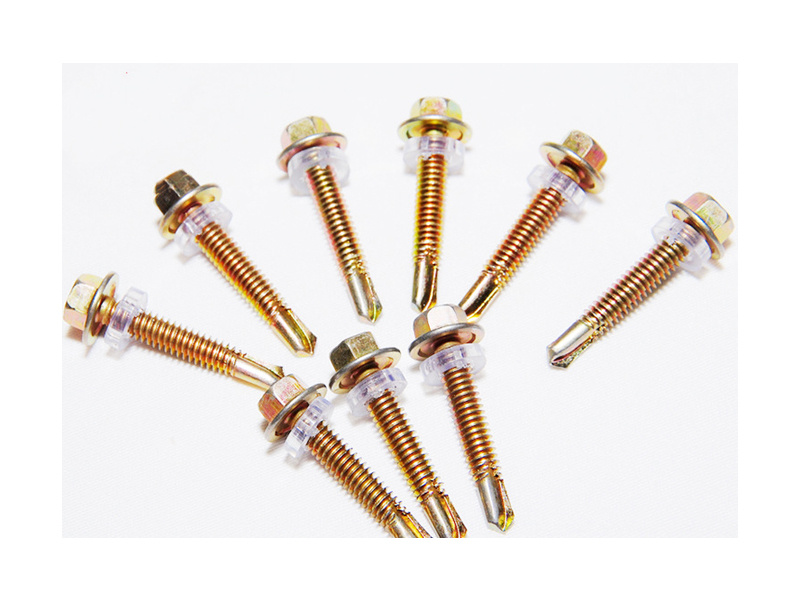
One of the key features of hexagon head drill tail screws is their ability to combine drilling and fastening in one operation. The drill tail design allows the screw to penetrate materials efficiently while creating its own hole. This dual-function capability significantly reduces installation time and simplifies the assembly process, especially in situations where pre-drilling might not be feasible.
The hexagonal head provides a larger surface area for the wrench or socket, enabling higher torque application without the risk of stripping. This is particularly beneficial in heavy-duty applications, where secure fastening is critical. Users can achieve a tighter connection, which enhances the overall integrity of the assembly and reduces the likelihood of loosening over time.
Hexagon head drill tail screws are available in various materials, including stainless steel, carbon steel, and coated options for corrosion resistance. The choice of material depends on the specific requirements of the application, including environmental factors and load-bearing requirements. For example, stainless steel screws are ideal for outdoor or marine applications where corrosion is a concern, while carbon steel screws might be suitable for indoor use in controlled environments.
In addition to their physical characteristics, hexagon head drill tail screws are designed to accommodate various types of applications, from automotive construction to machinery assembly. They play a vital role in ensuring reliability and performance in assembled products, which is critical in industries where safety and durability are non-negotiable.
Furthermore, the versatility of hexagon head drill tail screws allows them to be used in conjunction with other fastening technologies, offering flexibility in design and assembly processes. Whether in high-speed production lines or intricate custom builds, these screws serve as a reliable solution for connecting components securely.
In conclusion, understanding hexagon head drill tail screws is crucial for anyone involved in the industrial fastening sector. Their unique design and functionality not only simplify the assembly process but also enhance the performance of mechanical assemblies. As you consider the various options for fastening solutions, remember the advantages that hexagon head drill tail screws can bring to your projects.
Related News

Unlocking Efficiency: The Advantages of Customized Three-Roll Idlers for Your Operations
Unlocking Efficiency: The Advantages of Customized Three-Roll Idlers for Your Operations Table of Contents Introduction to Three-Roll Idlers What Are Three-Roll Idlers? The Benefits of Customization Enhanced Performance Through Tailored Solutions Application of Customized Three-Roll Idlers in Various Industries Improving Material Handling Efficiency Maintenance and Durability Consid
Understanding the Importance of Customized Troughing Idler Sets in Material Handling
When it comes to material handling, the efficiency of conveyor systems is paramount. One essential component that significantly impacts this efficiency is the troughing idler set. Customized troughing idler sets are specifically designed to meet the unique requirements of different materials and operational conditions. Understanding their role and advantages can help industries optimize their proc
Contact Us
Tel:+86-15832022608(General Yan)
E-mail:yanzheng@hbsj-fasteners.com
Add: South of Liu Han Village, Liu Han Township, Yongnian District, Handan City, Hebei Province


Online Message
Please leave your demand information here, we will contact you within one working day and provide product solutions, please pay attention to check your email.