Professional manufacturer of one-stop supporting products for industrial and mining accessories.


The Role of Hemispherical Nuts in Enhancing Connection Strength
25/05/10 12:20
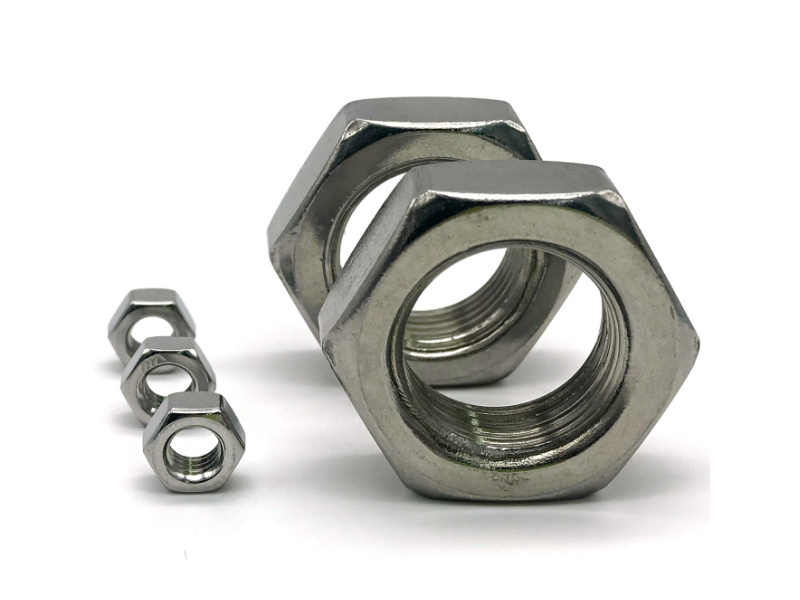
The Role of Hemispherical Nuts in Enhancing Connection Strength
In the world of industrial fasteners, the importance of connection strength cannot be overstated. One component that has garnered significant attention is the hemispherical nut. This unique fastening solution, characterized by its distinct dome shape, plays a pivotal role in enhancing the strength and stability of various connections across multiple applications. In this article, we will delve deep into the characteristics, advantages, and applications of hemispherical nuts, as well as offer valuable insights into selecting the right fasteners for your needs.
Table of Contents
- 1. Introduction to Hemispherical Nuts
- 2. Understanding the Design of Hemispherical Nuts
- 3. Advantages of Using Hemispherical Nuts
- 4. Applications of Hemispherical Nuts in Industry
- 5. Proper Installation Techniques for Hemispherical Nuts
- 6. Materials Used in Hemispherical Nut Manufacturing
- 7. Maintenance and Inspection of Hemispherical Nuts
- 8. Conclusion
- 9. Frequently Asked Questions
1. Introduction to Hemispherical Nuts
Hemispherical nuts are a type of fastener that stands out due to their unique shape. Unlike traditional nuts, which have flat surfaces, hemispherical nuts feature a rounded, dome-like top. This design contributes to an increased surface area in contact with the connected components, thereby improving load distribution and enhancing overall connection strength.
These nuts are particularly valuable in applications where vibration resistance and a secure fit are crucial. Their design not only allows for better load management but also minimizes the risk of loosening over time, making them an ideal choice for dynamic environments.
2. Understanding the Design of Hemispherical Nuts
The design of hemispherical nuts is engineered to provide optimal performance under various conditions. Their rounded shape facilitates a better grip and allows for more consistent torque application during installation. The internal threading of the nut is designed to match standard bolt sizes, ensuring compatibility and ease of use. Let's explore some of the key components of their design:
2.1 Unique Shape and Geometry
The hemispherical shape is more than just aesthetic; it is functional. The rounded top helps in distributing forces evenly across the nut, reducing stress concentrations that can lead to material fatigue or failure. This geometry also allows for easier engagement with wrenching tools, facilitating smoother installation and removal processes.
2.2 Threading and Compatibility
Hemispherical nuts typically come with standard threading options, which allows them to be used with various bolt sizes. The compatibility ensures that they can be integrated into existing systems without necessitating extensive modifications to the design or assembly process.
2.3 Finishing Options
Many manufacturers offer hemispherical nuts with various surface finishes, such as zinc plating or powder coating, to enhance corrosion resistance and durability. Selecting the right finish can significantly impact the longevity and performance of the fastener in harsh environments.
3. Advantages of Using Hemispherical Nuts
Hemispherical nuts provide a range of benefits in various industrial applications. Here are some of the most notable advantages:
3.1 Enhanced Connection Strength
Due to their unique shape, hemispherical nuts enhance the strength of the connection they form. The design allows for greater surface contact, which translates to better load distribution across the nut and the connected components. This is especially critical in applications involving heavy machinery or dynamic loads.
3.2 Vibration Resistance
In environments where machinery is subject to constant vibration, the risk of fasteners loosening is a significant concern. Hemispherical nuts are designed to resist loosening due to vibrations, ensuring that connections remain secure even in challenging conditions. This feature is vital for maintaining the integrity of critical systems.
3.3 Easy Installation and Accessibility
The rounded shape of hemispherical nuts allows for easier handling and installation. The design accommodates a variety of tools, which simplifies the fastening process. Additionally, the ability to install these nuts in confined spaces makes them an attractive option for engineers and technicians.
3.4 Versatility in Applications
Hemispherical nuts are versatile and can be used across a wide range of industries, including automotive, aerospace, manufacturing, and construction. Their adaptability makes them suitable for various applications, from heavy-duty machinery to delicate components.
4. Applications of Hemispherical Nuts in Industry
Hemispherical nuts find utility in various sectors due to their unique features and advantages. Here are some common applications:
4.1 Automotive Industry
In the automotive sector, hemispherical nuts are essential for securing components like suspension systems and engines. Their ability to withstand vibrations and provide a strong connection makes them invaluable for safety-critical applications.
4.2 Aerospace Applications
In aerospace, the reliability of fasteners is paramount. Hemispherical nuts are used in aircraft assemblies where strength and weight are critical. Their resistance to loosening under extreme conditions is particularly beneficial in this industry.
4.3 Construction and Heavy Machinery
Hemispherical nuts are frequently used in construction equipment and heavy machinery. Their ability to handle significant loads and resist loosening makes them ideal for applications involving structural connections and heavy components.
4.4 Marine Equipment
In marine applications, exposure to harsh environments necessitates robust fasteners. Hemispherical nuts made from corrosion-resistant materials are commonly used in boat construction and maintenance, ensuring longevity and reliability in wet conditions.
5. Proper Installation Techniques for Hemispherical Nuts
To maximize the performance and strength of hemispherical nuts, proper installation techniques must be followed. Here are essential steps to consider:
5.1 Prepare the Surfaces
Before installation, ensure that the surfaces to be connected are clean and free from debris. Any contaminants can affect the effectiveness of the fastening and lead to premature failure.
5.2 Use the Correct Torque Settings
Applying the correct torque is critical when fastening hemispherical nuts. Over-tightening can lead to damage, while under-tightening may compromise the connection strength. Always refer to manufacturer guidelines for optimal torque specifications.
5.3 Check for Loosening
After installation, it is advisable to monitor the connection for any signs of loosening, especially in applications subject to vibrations. Regular inspections can help maintain the integrity of the connection over time.
6. Materials Used in Hemispherical Nut Manufacturing
The materials used to manufacture hemispherical nuts play a significant role in their performance and applicability. Here are some of the commonly used materials:
6.1 Steel
Steel is the most widely used material for hemispherical nuts due to its strength and durability. Various grades, including stainless steel, can also provide excellent corrosion resistance in harsh environments.
6.2 Aluminum
Aluminum hemispherical nuts offer a lightweight alternative while still providing good strength. They are commonly used in applications where weight reduction is crucial, such as in aerospace and automotive industries.
6.3 Plastic
For specific applications where non-metallic fasteners are preferred, plastic hemispherical nuts can be an excellent choice. They provide chemical resistance and are suitable for lightweight applications.
7. Maintenance and Inspection of Hemispherical Nuts
Regular maintenance and inspection of hemispherical nuts are essential for ensuring long-term performance. Here are some tips:
7.1 Regular Inspections
Schedule regular inspections of connections to check for signs of wear or loosening. Early detection can prevent potential failures and enhance safety.
7.2 Lubrication
Applying appropriate lubricants can help reduce friction during installation and assist in the smooth operation of the fastening. Ensure that the lubricant used is compatible with the nut material.
7.3 Replacement of Worn Components
If any signs of wear or damage are observed, replace the hemispherical nuts promptly. Using worn components can compromise connection strength and safety.
8. Conclusion
Hemispherical nuts play a vital role in enhancing connection strength in various industrial applications. Their unique design provides numerous advantages, including improved load distribution, vibration resistance, and versatility. By understanding their properties and implementing proper installation and maintenance techniques, engineers and manufacturers can leverage the benefits of hemispherical nuts to ensure reliable and robust connections. As the demand for strong, durable, and efficient fastening solutions continues to grow, hemispherical nuts will undoubtedly remain a key player in the industrial fastener market.
9. Frequently Asked Questions
9.1 What are hemispherical nuts used for?
Hemispherical nuts are used in various applications to enhance connection strength, particularly in environments subject to vibrations, such as automotive, aerospace, and heavy machinery.
9.2 How do I install hemispherical nuts properly?
To install hemispherical nuts properly, ensure the surfaces are clean, apply the correct torque settings, and regularly inspect for any signs of loosening or wear.
9.3 What materials are hemispherical nuts made from?
Hemispherical nuts can be made from various materials, including steel, aluminum, and plastic, depending on the application requirements.
9.4 Can hemispherical nuts resist corrosion?
Yes, hemispherical nuts made from materials like stainless steel can resist corrosion, making them suitable for use in harsh environments.
9.5 How do I know if a hemispherical nut is right for my application?
To determine if a hemispherical nut is suitable for your application, consider factors such as load requirements, environmental conditions, and compatibility with existing components.
Related News

Unlocking Efficiency: The Advantages of Customized Three-Roll Idlers for Your Operations
Unlocking Efficiency: The Advantages of Customized Three-Roll Idlers for Your Operations Table of Contents Introduction to Three-Roll Idlers What Are Three-Roll Idlers? The Benefits of Customization Enhanced Performance Through Tailored Solutions Application of Customized Three-Roll Idlers in Various Industries Improving Material Handling Efficiency Maintenance and Durability Consid
Understanding the Importance of Customized Troughing Idler Sets in Material Handling
When it comes to material handling, the efficiency of conveyor systems is paramount. One essential component that significantly impacts this efficiency is the troughing idler set. Customized troughing idler sets are specifically designed to meet the unique requirements of different materials and operational conditions. Understanding their role and advantages can help industries optimize their proc
Contact Us
Tel:+86-15832022608(General Yan)
E-mail:yanzheng@hbsj-fasteners.com
Add: South of Liu Han Village, Liu Han Township, Yongnian District, Handan City, Hebei Province


Online Message
Please leave your demand information here, we will contact you within one working day and provide product solutions, please pay attention to check your email.