Professional manufacturer of one-stop supporting products for industrial and mining accessories.


A Deep Dive into the Essential Design Features of Hemispherical Nuts
25/05/20 12:20
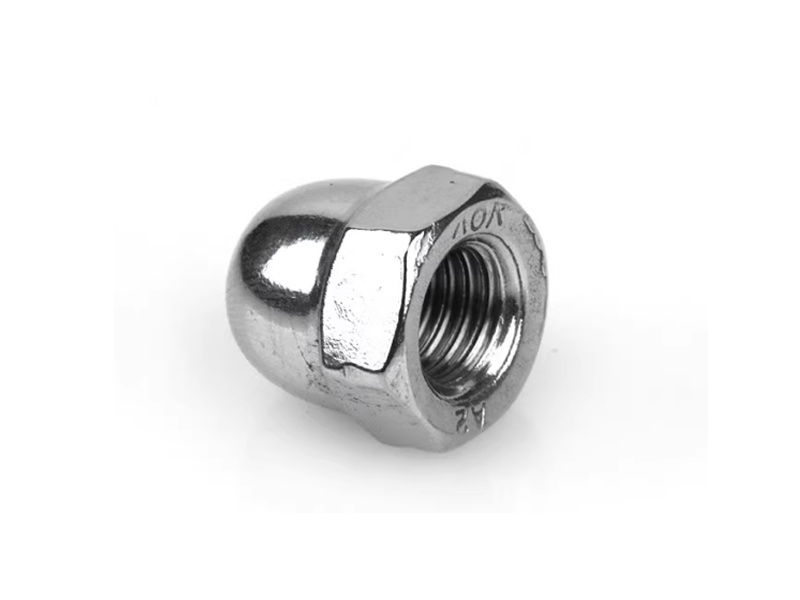
A Deep Dive into the Essential Design Features of Hemispherical Nuts
Table of Contents
- 1. Introduction to Hemispherical Nuts
- 2. Key Design Attributes of Hemispherical Nuts
- 3. Material Selection for Durability
- 4. Advantages of Using Hemispherical Nuts
- 5. Common Applications of Hemispherical Nuts
- 6. Proper Installation Techniques
- 7. Maintenance and Care for Longevity
- 8. Conclusion
- 9. FAQs
1. Introduction to Hemispherical Nuts
Hemispherical nuts are specialized fasteners designed for a myriad of industrial applications. Their unique shape, characterized by a dome-like top and a threaded interior, sets them apart from conventional nuts. This shape facilitates optimal load distribution and secures components effectively, making them indispensable in various engineering fields.
These nuts play a critical role in ensuring the integrity of assemblies and machinery. They are frequently used in applications requiring precise torque and secure fastening solutions, such as automotive, aerospace, and manufacturing sectors.
2. Key Design Attributes of Hemispherical Nuts
Understanding the unique design features of hemispherical nuts is essential for engineers and manufacturers. Below are the primary design attributes that contribute to their effectiveness:
2.1 Shape and Geometry
The hemispherical shape enables better load distribution compared to traditional nuts. This geometry minimizes stress concentration at the thread interface and allows for better engagement with the bolt head or other components.
2.2 Thread Configuration
Hemispherical nuts often feature different thread configurations, such as coarse or fine threads, which can significantly impact the performance of the assembly. Fine threads provide better tensile strength and are suitable for precision applications, while coarse threads offer quicker engagement and are ideal for rapid assembly.
2.3 Surface Finish
The surface finish of a hemispherical nut affects its friction characteristics and corrosion resistance. Options such as zinc plating, anodizing, or passivation can enhance performance in specific environments, ensuring longevity and reliability.
2.4 Size Standards
Hemispherical nuts come in various sizes to accommodate different bolt diameters. Adhering to industry standards such as the American National Standards Institute (ANSI) or International Organization for Standardization (ISO) ensures interoperability and compatibility in diverse applications.
3. Material Selection for Durability
The longevity and performance of hemispherical nuts depend significantly on the materials used in their construction. Common materials include:
3.1 Carbon Steel
Carbon steel is often utilized for its strength and cost-effectiveness. However, it can be susceptible to corrosion if not treated properly.
3.2 Stainless Steel
Stainless steel offers superior corrosion resistance and is ideal for use in harsh environments. It is often the material of choice for applications in chemical processing or marine settings.
3.3 Titanium
Titanium hemispherical nuts are favored for their lightweight and high strength-to-weight ratio, making them suitable for aerospace applications where weight is a critical factor.
3.4 Alloys
In certain applications, special alloy compositions may be used to enhance specific properties, such as heat resistance or additional strength.
4. Advantages of Using Hemispherical Nuts
Hemispherical nuts offer several advantages over traditional fastening solutions, including:
4.1 Improved Load Distribution
Their unique shape allows for even load distribution across the fastener, minimizing the risk of damage to connected components.
4.2 Enhanced Security
These nuts can provide a more secure fit, reducing the likelihood of loosening under vibration or dynamic loads.
4.3 Versatile Applications
Hemispherical nuts are suitable for a wide range of applications, from automotive to construction, making them a versatile choice in various engineering scenarios.
4.4 Easy Installation and Removal
The design of hemispherical nuts often allows for straightforward installation and removal, saving time during assembly and maintenance.
5. Common Applications of Hemispherical Nuts
Hemispherical nuts find use in a variety of industries due to their unique properties. Some prominent applications include:
5.1 Automotive Industry
In the automotive sector, hemispherical nuts secure critical components, including engine parts and chassis assemblies.
5.2 Aerospace Sector
The aerospace industry employs these nuts due to their lightweight and high-strength characteristics, ensuring safety and performance in flight.
5.3 Manufacturing Equipment
Various manufacturing machines utilize hemispherical nuts for fastening structural components, ensuring durability and reliability.
5.4 Construction Projects
In construction, these nuts are used to secure frameworks and support structures, contributing to the integrity of buildings and infrastructures.
6. Proper Installation Techniques
Installing hemispherical nuts correctly is crucial for ensuring their effectiveness. Here are some best practices:
6.1 Use the Right Tools
Employ appropriate tools such as torque wrenches to achieve the desired tightness without over-torquing, which can damage the nut or bolt.
6.2 Inspect Threads
Ensure that the threads of both the nut and bolt are clean and free from debris. Inspect for any signs of wear or damage before installation.
6.3 Follow Torque Specifications
Adhering to the manufacturer's torque specifications is essential for achieving optimal performance and preventing failures.
7. Maintenance and Care for Longevity
To extend the life of hemispherical nuts, consider the following maintenance tips:
7.1 Regular Inspections
Conduct periodic inspections to check for signs of wear, corrosion, or loosening. Address any issues immediately to prevent failures.
7.2 Clean and Lubricate
Keep nuts clean and consider using lubrication where appropriate to reduce friction during operation and prevent galling.
7.3 Replace Worn Components
If any components show significant wear, replace them promptly to maintain the integrity of the assembly.
8. Conclusion
Hemispherical nuts are essential components in a wide array of industries, providing robust fastening solutions that enhance the safety and reliability of assemblies. Their unique design features, coupled with the right material selection and installation techniques, make them a superior choice for various applications. By understanding their attributes and advantages, engineers and manufacturers can make informed decisions that contribute to the efficiency and longevity of their projects.
9. FAQs
9.1 What are the primary benefits of using hemispherical nuts?
Hemispherical nuts offer improved load distribution, enhanced security, and versatility across various applications, making them a preferred choice in many industries.
9.2 How do I choose the right material for hemispherical nuts?
Consider the application environment and mechanical requirements. Stainless steel is ideal for corrosion resistance, while carbon steel is cost-effective for general use.
9.3 Can I use hemispherical nuts in high-temperature environments?
Yes, but ensure you select materials specifically designed for high-temperature conditions, such as particular alloys or titanium.
9.4 How often should I inspect hemispherical nuts?
Regular inspections are recommended, particularly in high-stress or dynamic applications. Monthly checks may be necessary, while less demanding environments may require quarterly assessments.
9.5 Are there any special installation requirements for hemispherical nuts?
Follow the torque specifications provided by the manufacturer and ensure that both the nut and bolt threads are clean and compatible before installation.
Previous Page:
Related News

Understanding the Importance of Customized Troughing Idler Sets in Material Handling
When it comes to material handling, the efficiency of conveyor systems is paramount. One essential component that significantly impacts this efficiency is the troughing idler set. Customized troughing idler sets are specifically designed to meet the unique requirements of different materials and operational conditions. Understanding their role and advantages can help industries optimize their proc
Unlocking Efficiency: The Advantages of Customized Horn Head Rollers
Customized horn head rollers present significant advantages for businesses seeking to enhance their operational efficiency and performance. By focusing on tailored solutions, industries can benefit from improved durability, safety, and adaptability
Contact Us
Tel:+86-15832022608(General Yan)
E-mail:yanzheng@hbsj-fasteners.com
Add: South of Liu Han Village, Liu Han Township, Yongnian District, Handan City, Hebei Province


Online Message
Please leave your demand information here, we will contact you within one working day and provide product solutions, please pay attention to check your email.