Professional manufacturer of one-stop supporting products for industrial and mining accessories.


Maximizing Durability: The Benefits of Rubber-Coated Mining Rollers
25/09/18 13:30
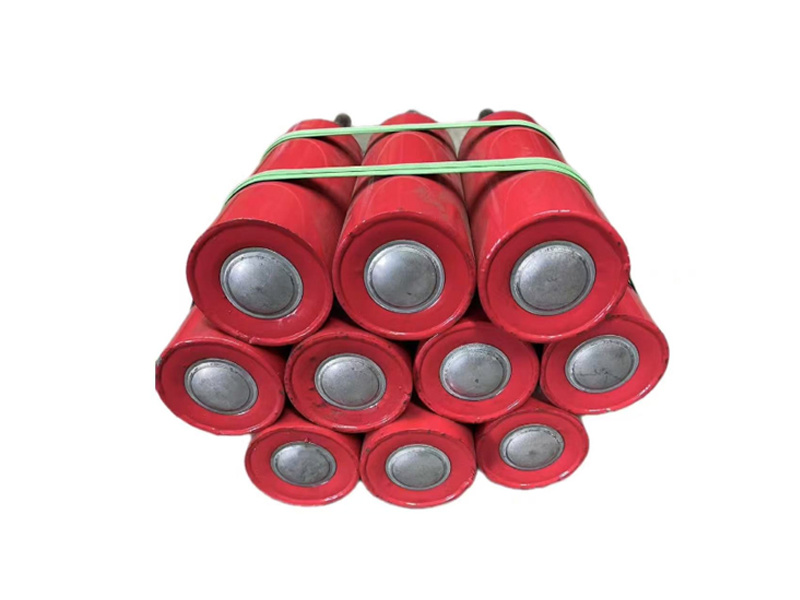
Maximizing Durability: The Benefits of Rubber-Coated Mining Rollers
Table of Contents
- 1. Introduction to Rubber-Coated Mining Rollers
- 2. Understanding Rubber Coating: Material Properties and Composition
- 3. Key Benefits of Rubber-Coated Mining Rollers
- 3.1 Minimizing Wear and Tear
- 3.2 Vibration Damping and Noise Reduction
- 3.3 Chemical Resistance Properties
- 3.4 Improved Traction and Safety
- 4. Applications of Rubber-Coated Mining Rollers in the Industry
- 5. Maintenance Tips for Rubber-Coated Rollers
- 6. Cost-Benefit Analysis: Rubber-Coated vs. Traditional Rollers
- 7. The Future of Rubber-Coated Mining Rollers
- 8. Conclusion: Embracing Durability with Rubber-Coated Rollers
- 9. FAQs about Rubber-Coated Mining Rollers
1. Introduction to Rubber-Coated Mining Rollers
In the demanding world of mining, machinery must withstand harsh conditions while maintaining optimal performance. Rubber-coated mining rollers have emerged as a pivotal component in enhancing durability and efficiency in various mining operations. These rollers, designed to support conveyor systems, transport materials, and facilitate unloading, stand out due to their unique rubber coatings. This article delves into the myriad benefits these rollers offer, examining how they maximize durability and improve overall performance.
2. Understanding Rubber Coating: Material Properties and Composition
Rubber coatings are integral to the functionality of mining rollers. Typically made from various types of synthetic and natural rubber, these coatings provide resilience against various environmental factors. The primary materials involved include:
- **Natural Rubber:** Known for its excellent elasticity and resilience, natural rubber offers superior flexibility, ensuring that rollers can adapt to the wear-and-tear of heavy loads and dynamic movements.
- **Synthetic Rubber:** Composed of man-made materials, synthetic rubber is engineered to provide enhanced chemical resistance, temperature tolerance, and durability. This makes it an ideal choice for challenging mining conditions.
A well-designed rubber coating provides a barrier against moisture, abrasives, and chemicals often found in mining environments, thereby significantly extending the lifespan of the rollers.
3. Key Benefits of Rubber-Coated Mining Rollers
Rubber-coated mining rollers present several significant advantages that contribute directly to their durability.
3.1 Minimizing Wear and Tear
One of the standout benefits of rubber-coated rollers is their ability to minimize wear and tear on the machinery. The rubber coating absorbs shocks and impacts, protecting the core structure of the roller. This absorption capability leads to lower maintenance costs and fewer replacements, ultimately benefiting the bottom line.
3.2 Vibration Damping and Noise Reduction
Mining operations generate considerable vibrations and noise, which can negatively impact both equipment and personnel. Rubber-coated mining rollers excel in vibration damping, significantly reducing operational noise levels. This attribute not only improves working conditions but also reduces the risk of equipment fatigue, thereby enhancing longevity.
3.3 Chemical Resistance Properties
Mining environments often expose equipment to harsh chemicals and abrasive materials that can deteriorate traditional roller coatings. Rubber coatings, particularly synthetic variants, are engineered to resist these chemicals, providing a longer service life. This resistance ensures that rubber-coated rollers can handle diverse materials without compromising their structural integrity.
3.4 Improved Traction and Safety
A critical aspect of mining operations is safety, particularly when transporting materials over steep inclines or uneven surfaces. Rubber-coated rollers provide superior traction, reducing the likelihood of slippage and enhancing the safety of operations. This improved traction translates into more reliable performance, minimizing accidents and ensuring smoother operations.
4. Applications of Rubber-Coated Mining Rollers in the Industry
Rubber-coated mining rollers find applications across various sectors within the mining industry, including:
- **Coal Mining:** Used extensively for transporting coal, rubber-coated rollers help in reducing noise pollution and equipment wear.
- **Metal Mining:** These rollers support conveyor belts that transport metals, ensuring durability while handling heavy loads.
- **Aggregate Processing:** Rubber-coated rollers are integral in gravel and sand operations, providing stability and prolonging the life of equipment.
In each of these applications, the durability and performance-enhancing properties of rubber-coated rollers are paramount, facilitating smoother and more efficient mining operations.
5. Maintenance Tips for Rubber-Coated Rollers
Maintaining rubber-coated rollers is essential for ensuring their longevity and optimal performance. To maximize their lifespan, consider the following maintenance practices:
- **Regular Inspections:** Conduct routine checks for signs of wear or damage. Early detection allows for prompt repairs and replacements.
- **Cleaning:** Keep rollers free from debris and contaminants that can cause abrasion. A simple wash with water and mild detergent can do wonders.
- **Lubrication:** Ensure the bearings and other moving parts are adequately lubricated to minimize friction and wear.
By adopting these maintenance practices, operators can significantly enhance the durability and efficiency of rubber-coated mining rollers.
6. Cost-Benefit Analysis: Rubber-Coated vs. Traditional Rollers
When evaluating the costs associated with rubber-coated mining rollers against traditional options, several factors come into play:
- **Initial Investment:** Rubber-coated rollers may have a higher upfront cost compared to traditional metal rollers. However, their longevity and reduced maintenance costs ultimately lead to lower lifetime expenses.
- **Downtime:** The durability of rubber-coated rollers means reduced downtime due to fewer replacements and repairs, translating into increased productivity.
- **Performance:** Enhanced performance, including better traction and vibration damping, contributes to operational efficiency, providing further financial benefits over time.
In essence, while the initial investment may be higher, the long-term benefits far outweigh the costs, making rubber-coated mining rollers a wise choice for mining operations.
7. The Future of Rubber-Coated Mining Rollers
As mining technology continues to evolve, so too will the materials and designs of rubber-coated mining rollers. Innovations in rubber formulations and manufacturing processes are paving the way for even more durable and efficient rollers. Additionally, the integration of smart technology for monitoring wear and performance will likely become commonplace, allowing for predictive maintenance and enhanced operational efficiency.
This continuous evolution signifies a promising future for rubber-coated mining rollers, ensuring they remain a vital component of mining operations.
8. Conclusion: Embracing Durability with Rubber-Coated Rollers
Rubber-coated mining rollers represent a fundamental advancement in mining technology, offering unparalleled durability and operational benefits. By minimizing wear and tear, providing vibration damping, and enhancing safety, these rollers are essential in modern mining applications. As we look to the future, the ongoing innovations in rubber coating technology will further solidify their role in enhancing performance and efficiency in the mining industry.
9. FAQs about Rubber-Coated Mining Rollers
1. What are rubber-coated mining rollers made of?
Rubber-coated mining rollers are typically made from a combination of natural and synthetic rubber, selected for their durability and resistance to wear.
2. How do rubber-coated rollers compare to traditional metal rollers?
Rubber-coated rollers are generally more durable, provide better shock absorption, and require less maintenance compared to traditional metal rollers, despite a higher initial cost.
3. What maintenance is required for rubber-coated mining rollers?
Regular inspections, cleaning, and lubrication of moving parts are essential maintenance practices to extend the lifespan of rubber-coated rollers.
4. In what mining applications are rubber-coated rollers most effective?
Rubber-coated rollers are effective in various applications, including coal mining, metal mining, and aggregate processing, providing stability and durability in each.
5. Will rubber-coated mining rollers help reduce noise in operations?
Yes, rubber-coated rollers are excellent at dampening vibrations and noise, contributing to a quieter working environment in mining operations.
By choosing rubber-coated mining rollers, organizations can enhance their operational efficiency, ensure safety, and significantly reduce costs in the long run. Embracing this technology is not just a choice, but a strategic move towards maximizing durability and performance in the mining industry.
Related News

Unlocking Efficiency: The Advantages of Customized Three-Roll Idlers for Your Operations
Unlocking Efficiency: The Advantages of Customized Three-Roll Idlers for Your Operations Table of Contents Introduction to Three-Roll Idlers What Are Three-Roll Idlers? The Benefits of Customization Enhanced Performance Through Tailored Solutions Application of Customized Three-Roll Idlers in Various Industries Improving Material Handling Efficiency Maintenance and Durability Consid
Understanding the Importance of Customized Troughing Idler Sets in Material Handling
When it comes to material handling, the efficiency of conveyor systems is paramount. One essential component that significantly impacts this efficiency is the troughing idler set. Customized troughing idler sets are specifically designed to meet the unique requirements of different materials and operational conditions. Understanding their role and advantages can help industries optimize their proc
Contact Us
Tel:+86-15832022608(General Yan)
E-mail:yanzheng@hbsj-fasteners.com
Add: South of Liu Han Village, Liu Han Township, Yongnian District, Handan City, Hebei Province


Online Message
Please leave your demand information here, we will contact you within one working day and provide product solutions, please pay attention to check your email.