Professional manufacturer of one-stop supporting products for industrial and mining accessories.


Why Left-Handed Anchor Rods Are Essential for Your Next Project
25/03/24 14:20
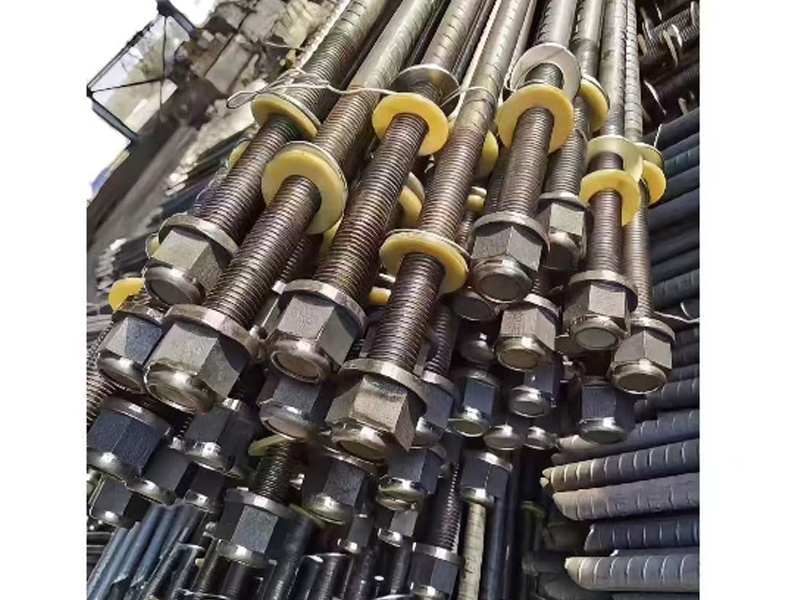
Left-handed anchor rods are threaded rods designed specifically for applications requiring a left-handed thread. These rods are typically made from high-strength materials to withstand significant loads and stresses. The left-hand threading allows them to be paired with matching left-handed nuts and other components, which helps secure them in place effectively.
The Importance of Thread Direction in Anchor Rods
The thread direction plays a vital role in the performance of anchor rods. Left-handed threads are primarily used in situations where traditional right-handed rods may become loose due to rotational forces. For instance, in environments subject to vibration or dynamic loading, left-handed anchor rods can provide a more secure fit, reducing the likelihood of failure.
Applications of Left-Handed Anchor Rods
Left-handed anchor rods find applications across various industries and situations, including:
1. **Foundation Anchoring**: Used in the construction of buildings and bridges, where stability is paramount.
2. **Mechanical Systems**: Essential in machinery and equipment where counter-clockwise rotation can cause right-handed rods to loosen.
3. **Marine Applications**: Commonly used in mooring systems and marine structures, where wave action may induce rotational forces.
4. **Wind Turbine Installations**: These rods are vital in securing turbine components that experience unique loading conditions.
5. **Pipeline Support Structures**: Used to anchor pipelines in place, especially when subject to environmental shifts.
Benefits of Using Left-Handed Anchor Rods
Incorporating left-handed anchor rods into your project can offer several advantages:
Increased Security
One of the most significant benefits is the enhanced security they provide. Left-handed anchor rods are less likely to loosen under stress, which is critical in heavy-duty applications where structural integrity is vital.
Versatility in Design
Left-handed anchor rods can be tailored to fit specific project requirements, allowing for greater versatility in design. They can be manufactured in various lengths, diameters, and materials, accommodating a wide range of applications.
Cost-Effectiveness
While left-handed anchor rods may initially seem more expensive than their right-handed counterparts, their durability and reliability can lead to long-term cost savings. Fewer failures translate to lower maintenance and replacement costs over time.
Improved Performance in Dynamic Situations
In environments where vibrations and rotational forces are prevalent, left-handed anchor rods demonstrate superior performance. They are designed to remain securely fastened, even under challenging conditions.
Choosing the Right Left-Handed Anchor Rods for Your Project
Selecting the appropriate left-handed anchor rods requires careful consideration of several factors:
Material Selection
The material of the anchor rod will directly influence its performance. Common materials include:
1. **Carbon Steel**: Suitable for general use, offering good strength and affordability.
2. **Stainless Steel**: Ideal for corrosive environments, providing excellent resistance to rust and degradation.
3. **Alloy Steel**: Offers enhanced strength and durability, typically used in heavy-load applications.
Length and Diameter
The length and diameter of the anchor rod must align with the specific requirements of your project. Ensure that they can accommodate the load specifications and any spatial constraints present.
Thread Specifications
When choosing left-handed anchor rods, verify the thread specifications to ensure compatibility with the accompanying nuts and components. Proper alignment and fit are critical for secure installation.
Load Capacity
Evaluate the load capacity requirements based on the structural demands of your project. Left-handed anchor rods come in various grades, each designed to withstand different levels of stress.
Installation Tips for Left-Handed Anchor Rods
Successful installation of left-handed anchor rods involves several key steps:
Preparation of the Site
Before installation, ensure the site is adequately prepared. This includes cleaning the area and checking for any obstructions that may interfere with the rod placement.
Proper Alignment
Ensuring proper alignment is crucial. Align the left-handed anchor rod with the corresponding left-handed nut and any additional components to guarantee a secure fit.
Tightening Techniques
When tightening left-handed anchor rods, use the appropriate tools and techniques. Avoid over-torquing, as this can lead to material fatigue or failure. Utilize a torque wrench to apply consistent force.
Regular Inspections
After installation, regularly inspect the anchor rods for signs of wear or loosening. Schedule periodic maintenance checks to ensure continued performance and reliability.
Common Misconceptions About Left-Handed Anchor Rods
As with any specialized component, several misconceptions exist regarding left-handed anchor rods:
Only for Specialized Applications
Many assume that left-handed anchor rods are only necessary in niche applications. However, their versatility allows for broader use across various construction and engineering projects.
Harder to Source
While left-handed anchor rods may not be as commonly stocked as right-handed versions, they are readily available through specialized suppliers and manufacturers.
Higher Cost Equals Better Quality
While pricing can vary, higher costs do not always correlate with better quality. It's essential to research and select reputable suppliers that offer quality products at fair prices.
Incorporating **left-handed anchor rods** into your next project can significantly enhance its stability and longevity. By understanding their unique benefits, applications, and installation techniques, you can make informed decisions that lead to successful project outcomes. With the right selection and proper use, left-handed anchor rods will serve as an invaluable asset in your construction and engineering endeavors. Embrace their potential and ensure the durability of your projects with this often-overlooked component.
Previous Page:
Related News

Unlocking Efficiency: The Advantages of Customized Three-Roll Idlers for Your Operations
Unlocking Efficiency: The Advantages of Customized Three-Roll Idlers for Your Operations Table of Contents Introduction to Three-Roll Idlers What Are Three-Roll Idlers? The Benefits of Customization Enhanced Performance Through Tailored Solutions Application of Customized Three-Roll Idlers in Various Industries Improving Material Handling Efficiency Maintenance and Durability Consid
Understanding the Importance of Customized Troughing Idler Sets in Material Handling
When it comes to material handling, the efficiency of conveyor systems is paramount. One essential component that significantly impacts this efficiency is the troughing idler set. Customized troughing idler sets are specifically designed to meet the unique requirements of different materials and operational conditions. Understanding their role and advantages can help industries optimize their proc
Contact Us
Tel:+86-15832022608(General Yan)
E-mail:yanzheng@hbsj-fasteners.com
Add: South of Liu Han Village, Liu Han Township, Yongnian District, Handan City, Hebei Province


Online Message
Please leave your demand information here, we will contact you within one working day and provide product solutions, please pay attention to check your email.