Professional manufacturer of one-stop supporting products for industrial and mining accessories.


Understanding Carriage Bolts: Essential Components for Industrial Applications
25/03/13 13:20
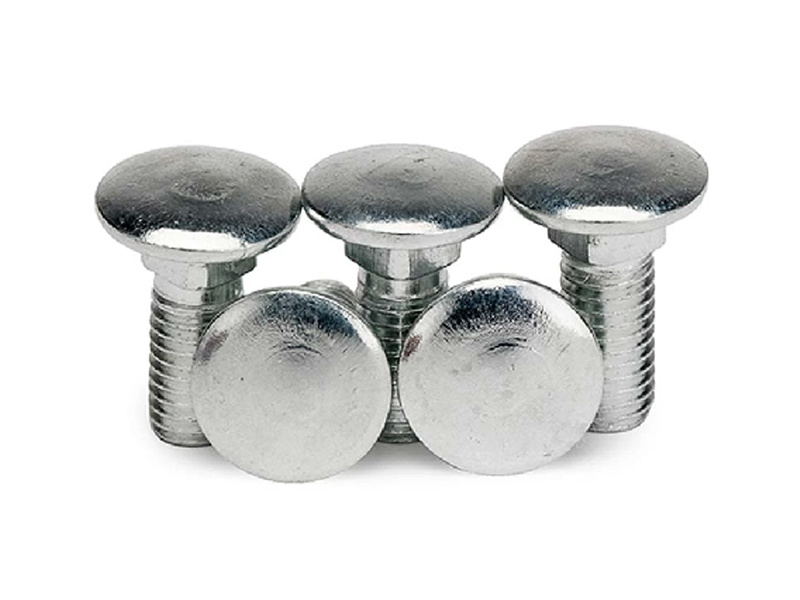
Carriage bolts are a type of fastener commonly used in various industrial and construction applications. Recognizable by their round heads and square necks, these unique features allow carriage bolts to be easily installed and provide a strong, secure hold. The design of the square neck prevents the bolt from turning when a nut is tightened, ensuring a firm connection, which is essential in high-stress environments.
One of the primary advantages of using carriage bolts is their versatility. They can be used with a variety of materials, including wood, metal, and plastic, making them suitable for a wide range of applications. Carriage bolts are often employed in the construction of furniture, wooden structures, and even machinery where a flush surface is desired. This makes them particularly popular in outdoor applications, such as deck building and fencing, where exposure to the elements necessitates durable fastening solutions.
When selecting carriage bolts for your projects, it is essential to consider the material composition. Common materials include carbon steel, stainless steel, and galvanized options. Carbon steel carriage bolts are known for their strength and are suitable for many general applications. Stainless steel options offer superior corrosion resistance, making them ideal for outdoor use or environments where moisture is a factor. Galvanized carriage bolts, coated with a protective layer, also serve well in outdoor settings, providing a balance of affordability and durability.
Another critical factor to consider is the size and length of the carriage bolt. Proper sizing is necessary to ensure a secure fit and the overall integrity of the assembly. Bolts come in various diameters and lengths, so it is essential to match the bolt size to the requirements of your specific application. Additionally, the choice of nut and washer can further enhance the performance of the carriage bolt by distributing the load and preventing loosening over time.
Installation of carriage bolts is generally straightforward. Begin by drilling a hole through the materials to be fastened, ensuring that the hole diameter matches the bolt size. Insert the carriage bolt through the hole, and then secure it with a nut on the opposite side. In some cases, a washer may be added to provide additional support and protect the materials from damage.
In conclusion, carriage bolts are indispensable components in the realm of industrial fasteners. Their unique design, versatility, and ease of installation make them an ideal choice for a variety of applications. By understanding the characteristics and proper usage of carriage bolts, professionals can enhance the safety and reliability of their projects, ultimately contributing to greater success in their industrial endeavors.
Previous Page:
Related News

Unlocking Efficiency: The Advantages of Customized Three-Roll Idlers for Your Operations
Unlocking Efficiency: The Advantages of Customized Three-Roll Idlers for Your Operations Table of Contents Introduction to Three-Roll Idlers What Are Three-Roll Idlers? The Benefits of Customization Enhanced Performance Through Tailored Solutions Application of Customized Three-Roll Idlers in Various Industries Improving Material Handling Efficiency Maintenance and Durability Consid
Understanding the Importance of Customized Troughing Idler Sets in Material Handling
When it comes to material handling, the efficiency of conveyor systems is paramount. One essential component that significantly impacts this efficiency is the troughing idler set. Customized troughing idler sets are specifically designed to meet the unique requirements of different materials and operational conditions. Understanding their role and advantages can help industries optimize their proc
Contact Us
Tel:+86-15832022608(General Yan)
E-mail:yanzheng@hbsj-fasteners.com
Add: South of Liu Han Village, Liu Han Township, Yongnian District, Handan City, Hebei Province


Online Message
Please leave your demand information here, we will contact you within one working day and provide product solutions, please pay attention to check your email.