Professional manufacturer of one-stop supporting products for industrial and mining accessories.


Exploring the Versatility of Left-Handed Anchor Rods in Construction
25/04/03 14:00
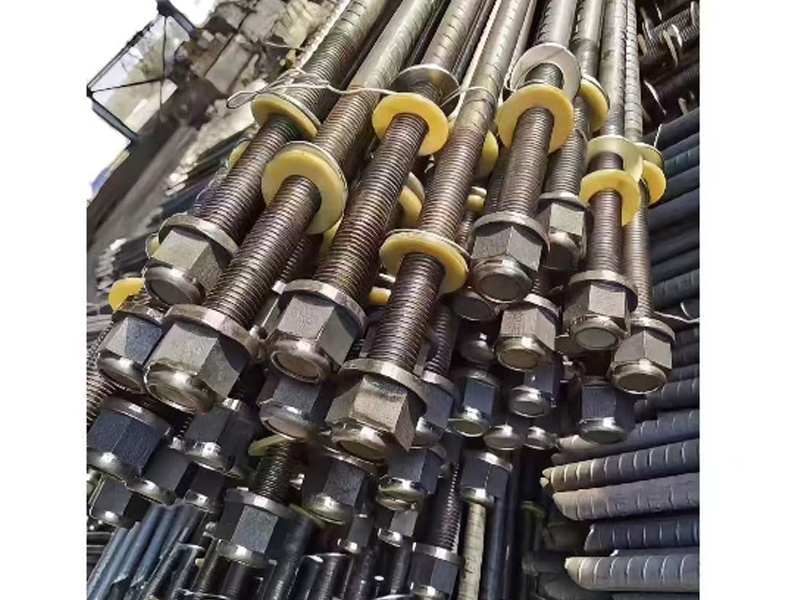
1. Introduction to Left-Handed Anchor Rods
Left-handed anchor rods are specialized fasteners designed to provide reliable connections in various construction applications. Unlike standard anchor rods, which feature right-handed threads, left-handed anchor rods are engineered with threads that turn counterclockwise. This unique design plays a crucial role in specific situations where standard rods may not suffice, enhancing the overall versatility of construction projects.
2. The Importance of Anchor Rods in Construction
Anchor rods serve as essential components in the construction industry, providing stability and support to structures. They are typically embedded in concrete and used to secure steel beams, columns, and other critical elements. The importance of anchor rods cannot be overstated, as they help prevent structural failure and ensure the longevity of buildings and infrastructure.
3. Understanding Left-Handed Threads
Left-handed threads are not as common as their right-handed counterparts, but they serve distinct purposes in construction. Here, we explore the unique aspects of left-handed anchor rods and their applications.
3.1 Advantages of Left-Handed Anchor Rods
The primary advantages of using left-handed anchor rods include:
- Counter-Clockwise Strength: Left-handed threads ensure that the anchor rod remains secure under tension, preventing it from loosening in critical applications.
- Specific Use Cases: In situations where standard right-handed anchor rods may unscrew due to vibrations or loading, left-handed rods provide an effective solution.
3.2 Common Applications in Construction
Left-handed anchor rods are widely used in various applications, including:
- Wind Turbine Foundations: They are essential in securing turbine bases, where rotational forces are prevalent.
- Bridge Construction: Left-handed rods help in stabilizing bridge components where unique stress conditions exist.
- Heavy Machinery Installation: Used in settings where machines vibrate or move, these rods provide a reliable anchor point.
4. Installation Techniques for Left-Handed Anchor Rods
Installing left-handed anchor rods requires careful planning and execution. Understanding the proper techniques ensures their effectiveness in providing structural support.
4.1 Tools and Equipment Required
Before starting the installation process, gather the necessary tools:
- Drills and Drill Bits: For creating the required holes in concrete.
- Torque Wrench: To apply the correct amount of torque during installation.
- Leveling Tools: Ensuring that the anchor rod is positioned correctly.
4.2 Step-by-Step Installation Process
1. Site Preparation: Clear the installation area and ensure all measurements align with engineering specifications.
2. Drill Holes: Use the drill to create holes in the concrete slab. The diameter and depth should match the anchor rod's specifications.
3. Insert Anchor Rod: Carefully place the left-handed anchor rod into the drilled hole, ensuring it is straight and level.
4. Torque Application: Use a torque wrench to tighten the rod to the manufacturer's recommended specifications.
5. Final Checks: Inspect the installation to confirm that the anchor rod is secure and properly positioned.
5. Maintenance and Inspection of Left-Handed Anchor Rods
Routine maintenance is critical for ensuring the longevity and effectiveness of left-handed anchor rods.
5.1 Routine Checks
Conduct regular inspections to identify signs of wear, corrosion, or loosening. Pay attention to:
- Surface Condition: Look for rust or paint damage.
- Alignment: Ensure that the rods remain straight and in place.
5.2 Addressing Common Issues
If any issues are detected, it’s vital to address them promptly. For example, apply rust inhibitors to prevent corrosion or retighten any loose rods to restore their integrity.
6. Innovations in Anchor Rod Technology
As the construction industry evolves, so do the technologies associated with anchor rods. Recent innovations include:
- High-Strength Materials: New alloys and coatings that enhance durability and resistance to environmental factors.
- Smart Anchor Technology: Sensors integrated into anchor rods that monitor structural integrity and provide real-time data for maintenance needs.
Left-handed anchor rods play a vital role in enhancing the versatility and reliability of construction projects. Their unique thread design allows for specialized applications that cater to the demands of modern construction methods. By understanding their benefits, proper installation techniques, and maintenance requirements, we can leverage left-handed anchor rods to ensure the stability and longevity of structures. As technology advances, staying informed about innovations in this field will enable industry professionals to make better choices and implement best practices in their projects.
Related News

Unlocking Efficiency: The Advantages of Customized Three-Roll Idlers for Your Operations
Unlocking Efficiency: The Advantages of Customized Three-Roll Idlers for Your Operations Table of Contents Introduction to Three-Roll Idlers What Are Three-Roll Idlers? The Benefits of Customization Enhanced Performance Through Tailored Solutions Application of Customized Three-Roll Idlers in Various Industries Improving Material Handling Efficiency Maintenance and Durability Consid
Understanding the Importance of Customized Troughing Idler Sets in Material Handling
When it comes to material handling, the efficiency of conveyor systems is paramount. One essential component that significantly impacts this efficiency is the troughing idler set. Customized troughing idler sets are specifically designed to meet the unique requirements of different materials and operational conditions. Understanding their role and advantages can help industries optimize their proc
Contact Us
Tel:+86-15832022608(General Yan)
E-mail:yanzheng@hbsj-fasteners.com
Add: South of Liu Han Village, Liu Han Township, Yongnian District, Handan City, Hebei Province


Online Message
Please leave your demand information here, we will contact you within one working day and provide product solutions, please pay attention to check your email.