Professional manufacturer of one-stop supporting products for industrial and mining accessories.


Maximize Durability: Exploring the Benefits of Steel Bearings in Mining Rollers
25/09/30 11:50
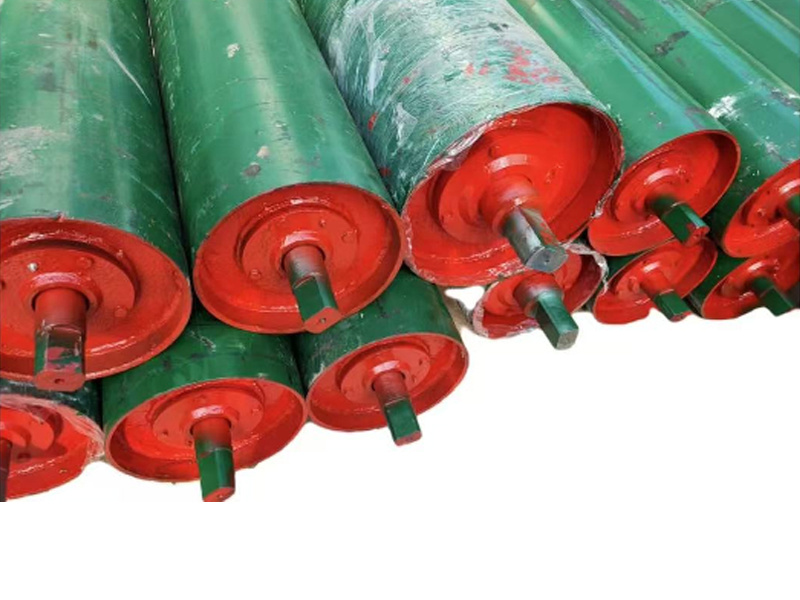
Maximize Durability: Exploring the Benefits of Steel Bearings in Mining Rollers
Introduction to the Role of Steel Bearings in Mining Rollers
In the mining industry, the efficiency and reliability of equipment are paramount. One of the critical components contributing to this efficacy is the steel bearing used in mining rollers. These bearings are essential in facilitating smooth rotation and movement in machinery that endures harsh conditions. By maximizing durability and performance, steel bearings play a vital role in increasing overall productivity in mining operations.
Understanding Steel Bearings: Composition and Characteristics
Steel bearings are crafted from high-quality steel alloys designed to withstand extreme conditions. The following characteristics make them particularly suitable for mining applications:
1. High Hardness and Strength
Steel bearings possess remarkable hardness, which enables them to resist deformation even under heavy loads. This attribute is crucial in mining environments, where machinery often experiences significant stress during operation.
2. Corrosion Resistance
Mining operations often involve exposure to moisture, dust, and corrosive materials. Steel bearings, especially those coated with anti-corrosive materials, can withstand such adversities, ensuring longevity and reliability.
3. Low Friction Properties
The smooth finish of steel bearings minimizes friction during operation, which not only helps in energy conservation but also reduces wear and tear on both the bearings and the surrounding components.
Benefits of Using Steel Bearings in Mining Rollers
The advantages of steel bearings in mining rollers are numerous and impactful. Below, we outline the primary benefits that highlight their importance in the industry.
1. Enhanced Operational Efficiency
Steel bearings are designed to operate seamlessly under high loads and speeds. Their ability to maintain performance under pressure translates into better operational efficiency for mining machinery. Reducing downtime due to mechanical failures can significantly boost productivity.
2. Extended Lifespan of Equipment
Investing in high-quality steel bearings can lead to lower maintenance costs and extended equipment lifespan. By minimizing the frequency of replacements and repairs, mining operations can save considerable amounts of money over time.
3. Improved Load Capacity
Steel bearings can handle substantial loads without compromising performance. This attribute is particularly beneficial in mining applications, where equipment is subjected to heavy materials and extreme operational conditions.
4. Lower Maintenance Requirements
By implementing steel bearings, companies can enjoy reduced maintenance demands. Their durability and reliability mean that fewer interventions are needed, allowing maintenance teams to focus on other crucial aspects of operations.
5. Versatility in Applications
Steel bearings are versatile and can be customized for various applications within the mining sector. They can be tailored to fit specific machinery or environmental conditions, enhancing their functionality and effectiveness.
Challenges Faced by Mining Rollers and How Steel Bearings Address Them
Mining operations are not without their challenges. Understanding these obstacles allows us to appreciate the advantages of using steel bearings in mining rollers more deeply.
1. Wear and Tear from Abrasive Materials
The movement of heavy materials can lead to rapid wear and tear of components. Steel bearings, with their high resistance to abrasion, mitigate this issue by maintaining their integrity over extended periods.
2. Extreme Temperature Fluctuations
Mining equipment often experiences extreme temperature variations that can affect performance. Steel bearings can withstand these fluctuations, ensuring consistent functionality.
3. Contamination from Dust and Debris
Dust and debris are common in mining environments and can lead to bearing failure. The sealed designs of many steel bearings prevent contamination, enhancing their durability and performance.
Comparative Analysis: Steel Bearings vs. Other Bearing Materials
When selecting bearings for mining rollers, it is crucial to compare the benefits of steel bearings against other materials such as plastic and ceramic.
1. Steel Bearings vs. Plastic Bearings
While plastic bearings are lightweight and corrosion-resistant, they lack the load-bearing capabilities and durability of their steel counterparts. In high-stress applications like mining, steel bearings are the superior choice.
2. Steel Bearings vs. Ceramic Bearings
Ceramic bearings offer low friction but can be brittle and less tolerant of heavy loads. Steel bearings provide a balance of strength, durability, and performance that makes them more suited for mining applications.
Choosing the Right Steel Bearings for Mining Rollers
When it comes to selecting steel bearings for mining rollers, several factors should be considered to ensure optimal performance.
1. Load Capacity Requirements
Understanding the specific load requirements of your machinery is essential. Choose bearings that can handle the maximum expected load with a safety margin.
2. Environmental Conditions
Evaluate the operating environment of the mining operation, including temperature ranges, moisture levels, and potential contaminants. Selecting the right type of steel bearing can mitigate environmental challenges.
3. Maintenance and Inspection Practices
Regular maintenance and inspections are crucial for extending the lifespan of steel bearings. Implementing a proactive maintenance schedule can prevent unexpected failures.
4. Manufacturer Reputation and Support
Selecting bearings from reputable manufacturers ensures quality and reliability. Consider manufacturers that provide excellent customer support and warranties.
Future Trends in Steel Bearing Technology for Mining
As technology evolves, so does the manufacturing of steel bearings. Future trends may include:
1. Advanced Coatings and Treatments
Innovative coatings can enhance corrosion resistance and reduce friction, further extending the life of steel bearings.
2. Smart Bearings
Integration of IoT technology in bearings can provide real-time monitoring of performance metrics, allowing for predictive maintenance and operational optimization.
3. Sustainable Manufacturing Practices
As industries strive for sustainability, manufacturers may adopt eco-friendly practices in producing steel bearings, minimizing their environmental impact.
Conclusion: The Indispensable Role of Steel Bearings in Mining Rollers
In conclusion, steel bearings are instrumental in maximizing the durability and efficiency of mining rollers. Their strength, reliability, and low maintenance requirements make them essential components in the mining industry. As operations continue to evolve, the adoption of steel bearings is likely to grow, ensuring that mining operations can achieve higher productivity and reduced operational costs. Embracing the benefits of steel bearings will undoubtedly enhance machine performance, ultimately leading to a more efficient and sustainable mining industry.
Frequently Asked Questions (FAQs)
1. What are the main advantages of using steel bearings in mining applications?
Steel bearings offer high load capacity, durability, corrosion resistance, and lower maintenance requirements, making them ideal for harsh mining environments.
2. How do I know which steel bearing is suitable for my mining roller?
Consider factors such as load capacity, environmental conditions, and maintenance practices when selecting a steel bearing for your mining roller.
3. How often should steel bearings be inspected in mining equipment?
Regular inspections are essential. It is advisable to check bearings at least once a month or more often in high-stress operations.
4. Can steel bearings be used in other applications outside of mining?
Yes, steel bearings are versatile and used in various industries, including construction, manufacturing, and transportation.
5. What are the signs that steel bearings need replacement?
Signs include increased noise, excessive vibration, overheating, and noticeable wear on the bearings. Early detection can prevent further damage to equipment.
Previous Page:
Related News

Understanding Locomotive Roller Support in the Mining and Material Processing Machinery Industry
In the field of manufacturing and processing machinery, particularly within the segments of crushing and sorting equipment for mining and mineral processing, the role of Locomotive Roller Support cannot be underestimated. This component is integral to the overall functionality and efficiency of the machinery, providing essential support and stability during operation. Locomotive Roller Support is
Maximize Durability: Exploring the Benefits of Steel Bearings in Mining Rollers
Maximize Durability: Exploring the Benefits of Steel Bearings in Mining Rollers Introduction to the Role of Steel Bearings in Mining Rollers In the mining industry, the efficiency and reliability of equipment are paramount. One of the critical components contributing to this efficacy is the steel bearing used in mining rollers. These bearings are essential in facilitating smooth rotation and mov
Contact Us
Tel:+86-15832022608(General Yan)
E-mail:yanzheng@hbsj-fasteners.com
Add: South of Liu Han Village, Liu Han Township, Yongnian District, Handan City, Hebei Province


Online Message
Please leave your demand information here, we will contact you within one working day and provide product solutions, please pay attention to check your email.