Professional manufacturer of one-stop supporting products for industrial and mining accessories.


Understanding Hexagon Bolts: Essential Insights for Industrial Applications
25/05/31 11:41
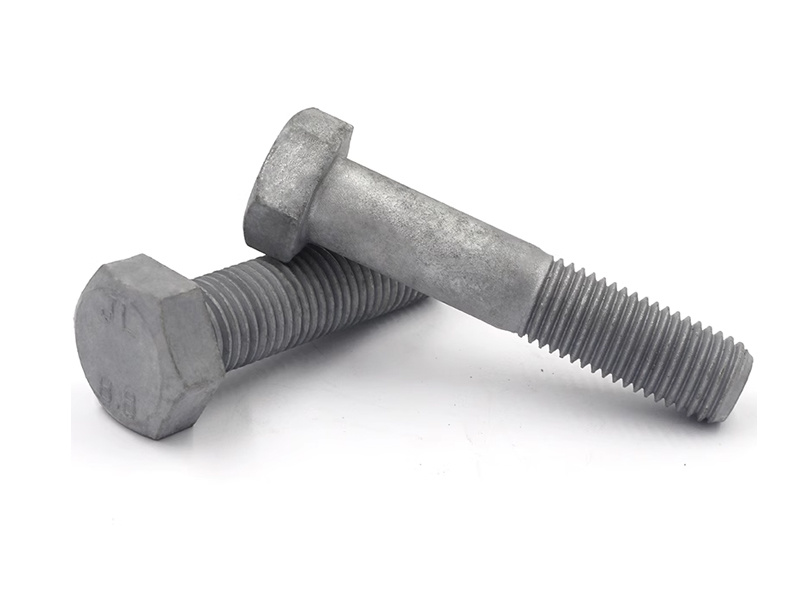
Hexagon bolts, often referred to as hex bolts or hex-headed bolts, are a type of fastener characterized by their hexagonal head, which allows for easy tightening and loosening using a wrench. These bolts are widely used in industrial settings due to their versatility and strength, making them suitable for a range of applications, including construction, manufacturing, and machinery assembly.
One of the key attributes of hexagon bolts is their ability to withstand high levels of tension and shear forces. This is mainly attributed to their design, which distributes load evenly across the bolt, minimizing the risk of failure. Hexagon bolts are typically manufactured from various materials, including steel, stainless steel, and alloyed metals, allowing them to cater to specific environmental conditions, such as corrosion resistance or high-temperature applications.
Another essential feature of hexagon bolts is the compatibility with different types of nuts and washers. When used in conjunction with a matching nut, such as a hex nut, they create a secure connection that is less likely to loosen over time. The use of washers can further enhance the stability of the fastening, as they distribute the load and prevent damage to the surface beneath the bolt head.
When selecting hexagon bolts for a particular application, it is crucial to consider several factors. These include the material type, bolt grade, and coating options. The grade of a bolt signifies its mechanical properties, such as tensile strength and yield strength, which are critical for ensuring it can withstand the operational demands of the application. Common grades for hexagon bolts include Grade 2, Grade 5, and Grade 8, each designed to meet different performance requirements.
Additionally, attention should be paid to the size and length of the hexagon bolt, as these dimensions impact its load-bearing capacity and compatibility with other components. Proper installation techniques, such as ensuring the correct torque settings, are vital for maintaining the integrity of the connection. Over-torquing can lead to bolt failure, while under-torquing may result in loosening over time.
In conclusion, hexagon bolts are an essential component in the industrial sector, providing reliable fastening solutions across various applications. Understanding their characteristics, selection criteria, and installation practices is crucial for professionals in the fastening and connection industry. By leveraging this knowledge, you can ensure the longevity and safety of your assemblies, ultimately enhancing operational efficiency.
Previous Page:
Related News

Unlocking Efficiency: The Advantages of Customized Three-Roll Idlers for Your Operations
Unlocking Efficiency: The Advantages of Customized Three-Roll Idlers for Your Operations Table of Contents Introduction to Three-Roll Idlers What Are Three-Roll Idlers? The Benefits of Customization Enhanced Performance Through Tailored Solutions Application of Customized Three-Roll Idlers in Various Industries Improving Material Handling Efficiency Maintenance and Durability Consid
Understanding the Importance of Customized Troughing Idler Sets in Material Handling
When it comes to material handling, the efficiency of conveyor systems is paramount. One essential component that significantly impacts this efficiency is the troughing idler set. Customized troughing idler sets are specifically designed to meet the unique requirements of different materials and operational conditions. Understanding their role and advantages can help industries optimize their proc
Contact Us
Tel:+86-15832022608(General Yan)
E-mail:yanzheng@hbsj-fasteners.com
Add: South of Liu Han Village, Liu Han Township, Yongnian District, Handan City, Hebei Province


Online Message
Please leave your demand information here, we will contact you within one working day and provide product solutions, please pay attention to check your email.