Professional manufacturer of one-stop supporting products for industrial and mining accessories.



The threaded rod is a rod-shaped mechanical part with external threads, widely used in mechanical connections, transmission, fastening, and other fields. Below is a detailed introduction:
Structural Characteristics
Threaded part: The outer surface of the threaded rod is processed with continuous threads, and the shape, pitch, tooth profile angle, and other parameters of the threads are designed according to different usage requirements. Common thread profiles include triangular, trapezoidal, rectangular, and serrated.
Rod body part: It is the carrier of the threads, usually cylindrical, and its diameter is determined based on the load it needs to bear, the size of the connected components, and other factors. The length of the rod body also comes in various specifications to meet different connection and transmission distance requirements.
Material
Carbon Steel: It has high strength and toughness, low cost, and is easy to process and heat treat, making it one of the most commonly used materials, such as Q235 and 45 steel, often used for general mechanical connections and ordinary transmission threaded rods.
Alloy Steel: By adding alloy elements such as chromium, nickel, and molybdenum, the strength, hardness, wear resistance, and corrosion resistance of the threaded rod can be improved, suitable for applications that bear large loads, harsh working environments, or have high performance requirements, such as 40Cr and 35CrMo.
Stainless Steel: It has good corrosion resistance and can maintain good performance in humid, acidic, and alkaline corrosive environments, commonly used in food processing, medical devices, chemical industries, and other fields with high corrosion resistance requirements, such as 304 and 316 stainless steel.
Copper Alloy: It has good electrical conductivity, thermal conductivity, and corrosion resistance, while also having a certain degree of anti-friction properties, commonly used in electrical equipment, precision instruments, and other applications requiring conductivity and thermal conductivity, such as brass and bronze.
Application Fields
Mechanical Manufacturing: Used in industries such as machine tools, engineering machinery, and automobile manufacturing for connecting and fastening various components, such as connecting engine cylinder blocks, transmitting machine tool worktables, and structural connections in engineering machinery.
Construction Industry: Widely used in the connection and reinforcement of building structures, such as the connection of beams and columns in steel structure buildings, and the connection of embedded parts in concrete structures, usually using high-strength threaded rods as connecting components.
Electronics and Electrical: In the assembly of electronic device enclosures, fixing circuit boards, etc., threaded rods are used to connect and fasten components, while some special threaded rods can also be used to adjust the position and spacing of electronic components.
Aerospace: The performance and quality requirements for threaded rods are extremely high, used in the assembly of aircraft engines, the connection of fuselage structures, and the transmission of aerospace equipment, usually made from high-strength, lightweight alloy materials.
Processing Technology
Cutting Processing: Using machine tools such as lathes and milling machines, cutting tools are used to cut the blank material, removing excess material to gradually process a threaded rod that meets the requirements. This method can produce threaded rods with high precision, but the production efficiency is relatively low.
Rolling Processing: Using rolling molds to roll the blank rod, causing the metal material on the surface of the rod to undergo plastic deformation, forming threads. Rolling processing has high production efficiency, good surface quality of the processed threads, and high strength, but the equipment investment is relatively large.
Thread Rolling Processing: The blank rod is placed between thread rolling plates, and through the relative motion of the plates, the metal material on the surface of the rod is extruded and deformed to form threads. Thread rolling processing is suitable for mass production, has high production efficiency, but relatively low processing precision.
Threaded rod
Contact Us:
Product Classification:
Product inquiry
Note: Please leave your Tel, our professionals will contact you as soon as possible and provide product solutions!
Related Products
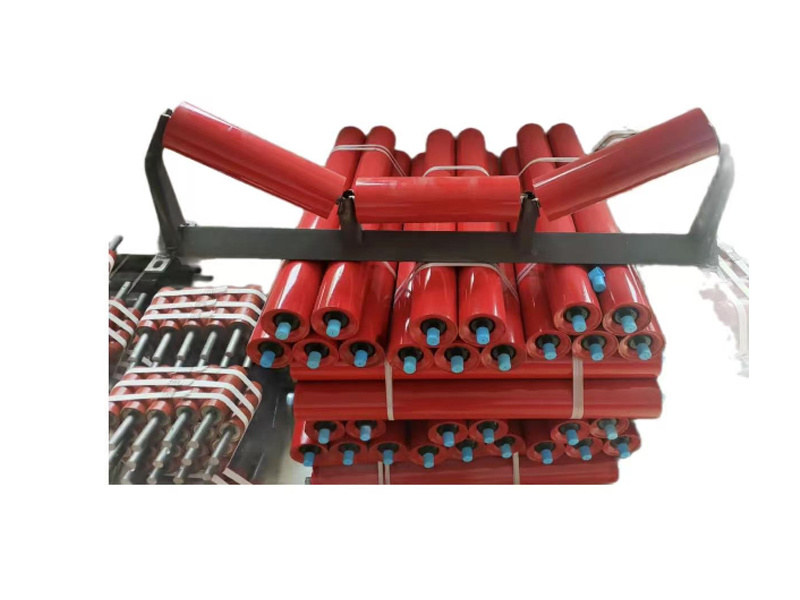
Mainly used to support the conveyor belt and the materials on it, reduce the running resistance of the conveyor belt, and ensure the smooth operation of the conveyor belt.

Mainly used to support the conveyor belt and the materials on it, reduce the running resistance of the conveyor belt, and ensure the smooth operation of the conveyor belt.
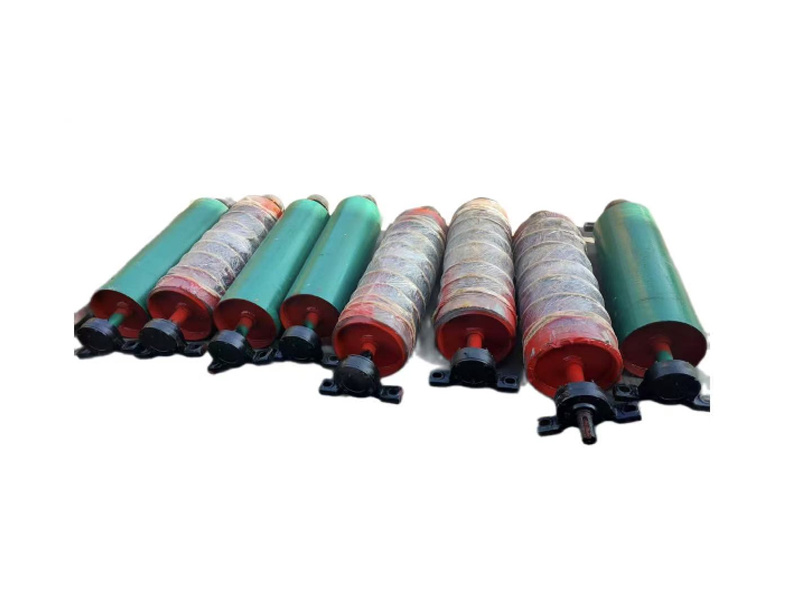
Available in various diameters and lengths to perfectly fit your conveying system.
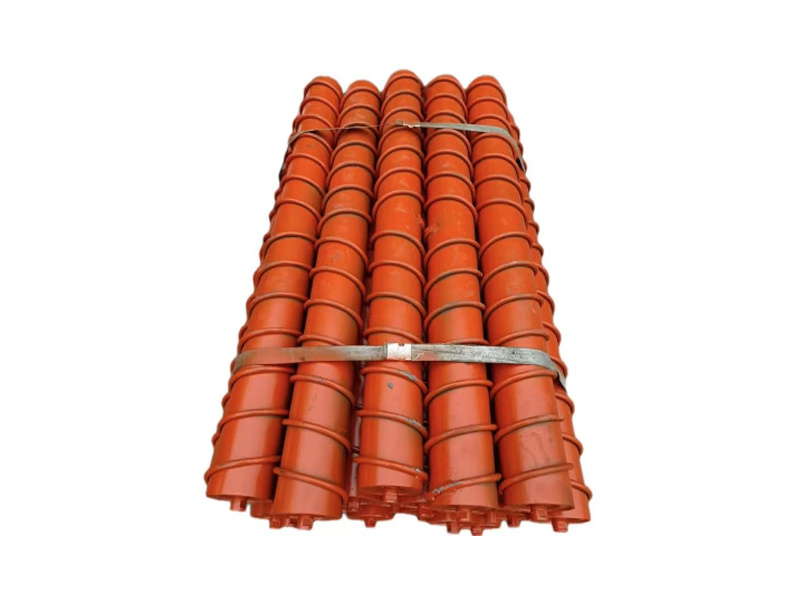
Mainly used to support the conveyor belt and the materials on it, reduce the running resistance of the conveyor belt, and ensure the smooth operation of the conveyor belt.
Contact Us
Tel:+86-15832022608(General Yan)
E-mail:yanzheng@hbsj-fasteners.com
Add: South of Liu Han Village, Liu Han Township, Yongnian District, Handan City, Hebei Province


Online Message
Please leave your demand information here, we will contact you within one working day and provide product solutions, please pay attention to check your email.