Professional manufacturer of one-stop supporting products for industrial and mining accessories.



Structural Characteristics
Head Shape: The head of the bolt is hexagonal, which facilitates the use of tools such as wrenches for tightening and loosening, providing a larger torque transmission area and allowing for greater tightening force.
Screw Part: Usually cylindrical, with a threaded surface. The thread profile is generally standard, such as coarse and fine threads. Fine threads have a smaller pitch, and at the same nominal diameter, they have a smaller helix angle, providing better self-locking performance, commonly used in applications requiring high connection strength and sealing.
Thread End: Common forms include flat end, conical end, and cylindrical end. The flat end is suitable for connections that bear axial loads; the conical end can self-center during connection, often used in applications with high centering requirements; the cylindrical end is used for connections that need to be frequently disassembled.
Material and Performance Grade
Material: Common materials include carbon steel, alloy steel, and stainless steel. Carbon steel hex bolts have high strength, good toughness, and low cost, widely used in general mechanical connections and construction structures; alloy steel hex bolts have higher strength and wear resistance, commonly used in applications bearing large loads and harsh working environments; stainless steel hex bolts have good corrosion resistance, suitable for equipment connections in humid, acidic, and alkaline corrosive environments.
Performance Grade: The performance grade of bolts is usually indicated by numbers and letters, such as grade 4.8, 8.8, 10.9, 12.9, etc. The number before the decimal point represents 1/100 of the nominal tensile strength of the bolt, and the number after the decimal point represents ten times the ratio of the yield strength to the nominal tensile strength. For example, an 8.8 grade bolt has a nominal tensile strength of 800MPa and a yield strength of 640MPa.
Specifications and Dimensions
Nominal Diameter: Refers to the major diameter of the external hex bolt thread, usually denoted by d, measured in millimeters (mm). Common nominal diameters include M3, M4, M5, M6, M8, M10, M12, M16, M20, etc.
Length: Refers to the distance from the bottom surface of the bolt head to the end of the thread, usually denoted by L, measured in millimeters (mm). The length of the bolt needs to be determined based on the thickness of the connected components and connection requirements.
Hex Head Size: The width s and thickness k of the hex head also have corresponding standard sizes, which are related to the nominal diameter of the bolt. Generally, the larger the nominal diameter, the larger the width and thickness of the hex head.
Application Fields
Mechanical Manufacturing: In the connections of various mechanical equipment, such as engines, machine tools, and construction machinery, external hex bolts are used to connect and fix various components, ensuring the normal operation of the equipment.
Automotive Industry: External hex bolts are widely used in the engine, chassis, and body of vehicles to connect important components such as the frame, suspension system, and engine block, with their quality and reliability directly affecting the safety and performance of the vehicle.
Construction Industry: In the connections of building structures, such as steel structure factories, bridges, and high-rise buildings, external hex bolts are used to connect steel beams, steel columns, trusses, and other components, bearing huge tensile and shear forces, ensuring the stability and safety of the building structure.
Power Equipment: In power facilities such as power generation equipment, transmission lines, and substations, external hex bolts are used to connect and fix equipment and components such as motors, transformers, and towers, requiring good conductivity and corrosion resistance.
Hexagon bolt
Contact Us:
Product Classification:
Product inquiry
Note: Please leave your Tel, our professionals will contact you as soon as possible and provide product solutions!
Related Products
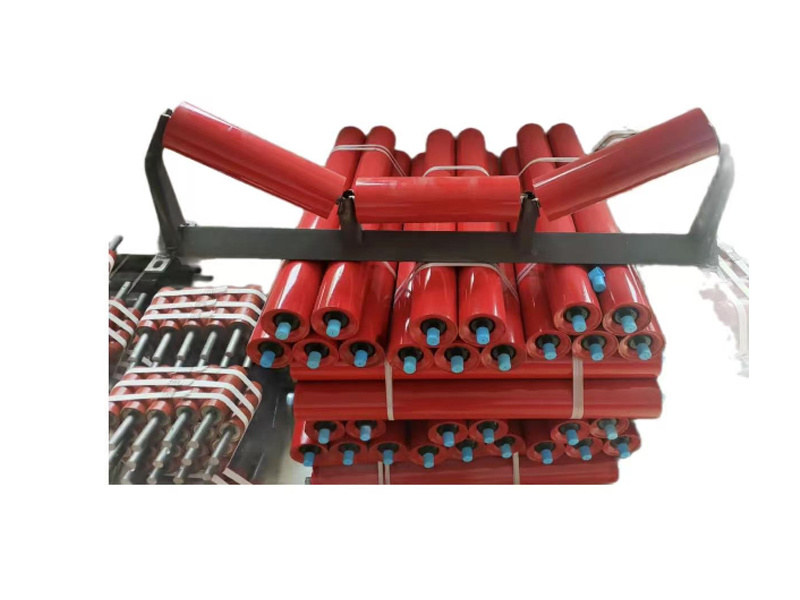
Mainly used to support the conveyor belt and the materials on it, reduce the running resistance of the conveyor belt, and ensure the smooth operation of the conveyor belt.

Mainly used to support the conveyor belt and the materials on it, reduce the running resistance of the conveyor belt, and ensure the smooth operation of the conveyor belt.
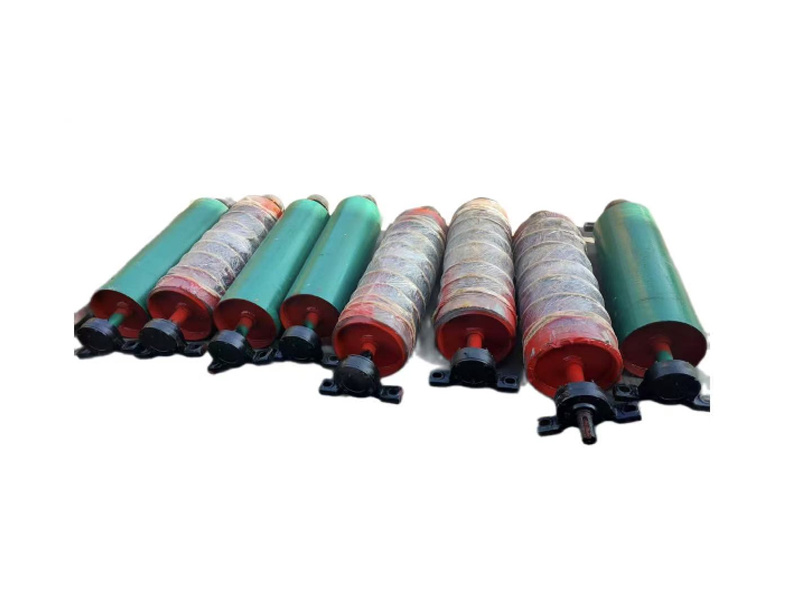
Available in various diameters and lengths to perfectly fit your conveying system.
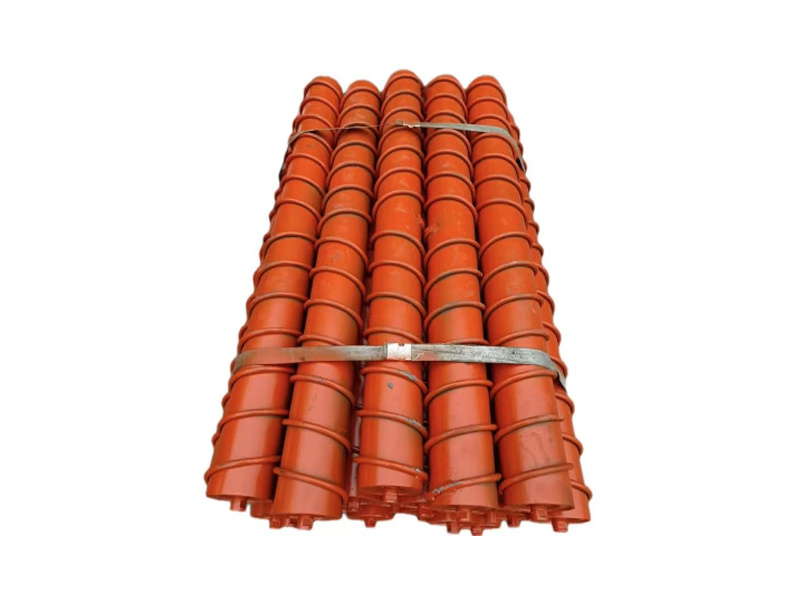
Mainly used to support the conveyor belt and the materials on it, reduce the running resistance of the conveyor belt, and ensure the smooth operation of the conveyor belt.
Contact Us
Tel:+86-15832022608(General Yan)
E-mail:yanzheng@hbsj-fasteners.com
Add: South of Liu Han Village, Liu Han Township, Yongnian District, Handan City, Hebei Province


Online Message
Please leave your demand information here, we will contact you within one working day and provide product solutions, please pay attention to check your email.