Professional manufacturer of one-stop supporting products for industrial and mining accessories.



Structural Characteristics
Appearance: It has six equidistant corners, forming a hexagonal cylindrical shape. This design allows the nut to be easily operated with tools like wrenches when tightening and loosening. The wrench fits well with the six corner surfaces of the nut, providing a large torque transmission area, making it easier to apply sufficient force to tighten or loosen the nut.
Internal Structure: There is an internal thread in the middle, and the specifications of the internal thread match the external thread of the corresponding bolt or stud. The connection and fastening function is achieved through the engagement of the threads. The tooth profile of the internal thread is usually triangular, which has good self-locking performance and can prevent the nut from loosening during use to a certain extent.
Material and Performance
Material: Common materials include carbon steel, stainless steel, and copper alloys. Carbon steel hex nuts are low-cost and have high strength, suitable for general mechanical connections and fastenings; stainless steel hex nuts have good corrosion resistance and can be used in humid, acidic, and alkaline environments; copper alloy hex nuts have good electrical and thermal conductivity, commonly used in electrical and electronic devices that require conductive and thermal performance.
Performance Grade: Divided into different grades, such as 4.8, 8.8, 10.9, 12.9, etc. The higher the grade, the better the mechanical properties of the nut, such as tensile strength and yield strength. For example, the tensile strength of a grade 4.8 nut is generally around 400MPa, while that of a grade 12.9 nut can reach over 1200MPa.
Specifications and Dimensions
Nominal Diameter: Refers to the major diameter of the nut's thread, usually denoted by D, measured in millimeters (mm). Common nominal diameters include M3, M4, M5, M6, M8, M10, M12, M16, M20, etc.
Thickness: Refers to the distance from the top to the bottom of the nut, usually denoted by H, measured in millimeters (mm). The thickness of nuts varies with different nominal diameters; generally, the larger the nominal diameter, the greater the thickness of the nut.
Across Flat Distance: Refers to the distance between two parallel sides of the hex nut, usually denoted by S, measured in millimeters (mm). The size of the across flat distance determines the specification of the wrench used to operate the nut.
Advantages
Strong Versatility: The standard specifications of hex nuts are unified, compatible with various standard bolts, studs, etc., allowing for wide application in different types of machinery, construction structures, electronics, and electrical appliances, demonstrating strong versatility and interchangeability.
Reliable Fastening: The internal thread tightly engages with the external thread of the bolt, providing stable connection force, ensuring reliable fastening at the connection points, and not easily loosening under vibration, impact, and load, thus ensuring the safety and stability of the equipment or structure.
Easy to Manufacture and Install: Its structure is simple, manufacturing processes are mature, production costs are low, and it is easy to mass-produce. Additionally, the installation process is relatively simple; it only requires using tools like wrenches to screw the nut onto the bolt, without the need for special installation equipment and techniques.
Application Fields
Mechanical Manufacturing: In various mechanical equipment, such as machine tools, automobiles, ships, and aerospace, hex nuts are used to connect and fasten various components, such as engine blocks, chassis components, and mechanical transmission parts, ensuring the normal operation of the equipment and the stability of the structure.
Construction Industry: In the connection of building structures, hex nuts are used in conjunction with bolts to connect steel structural components, bridge structures, building facades, etc., bearing significant tension and pressure, ensuring the safety and reliability of the building structure.
Electronics and Electrical Appliances: In the assembly of electronic product casings and internal connections of electrical equipment, hex nuts are used to secure circuit boards, casing components, and electrical components. Due to their good conductivity and fastening properties, they can meet the installation requirements of electronic and electrical equipment.
Tag:
Hexagonal nut
Contact Us:
Product Classification:
Product inquiry
Note: Please leave your Tel, our professionals will contact you as soon as possible and provide product solutions!
Related Products
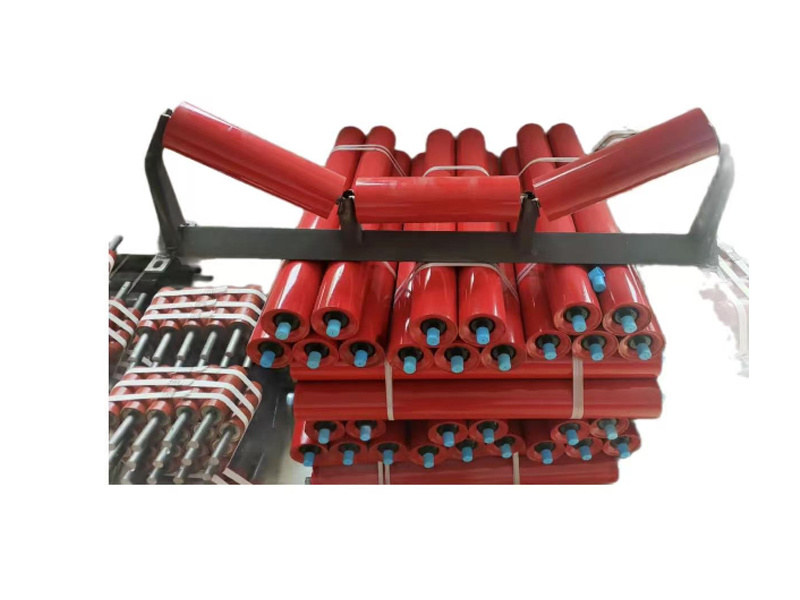
Mainly used to support the conveyor belt and the materials on it, reduce the running resistance of the conveyor belt, and ensure the smooth operation of the conveyor belt.

Mainly used to support the conveyor belt and the materials on it, reduce the running resistance of the conveyor belt, and ensure the smooth operation of the conveyor belt.
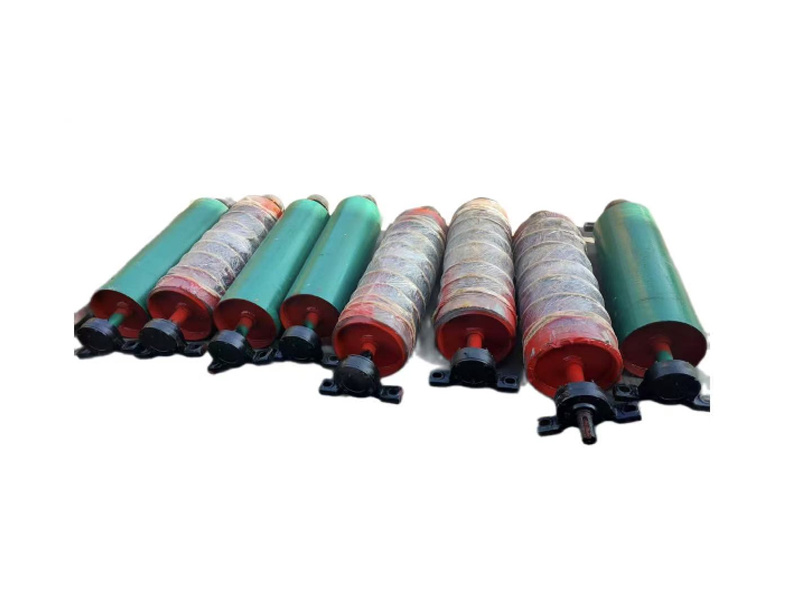
Available in various diameters and lengths to perfectly fit your conveying system.
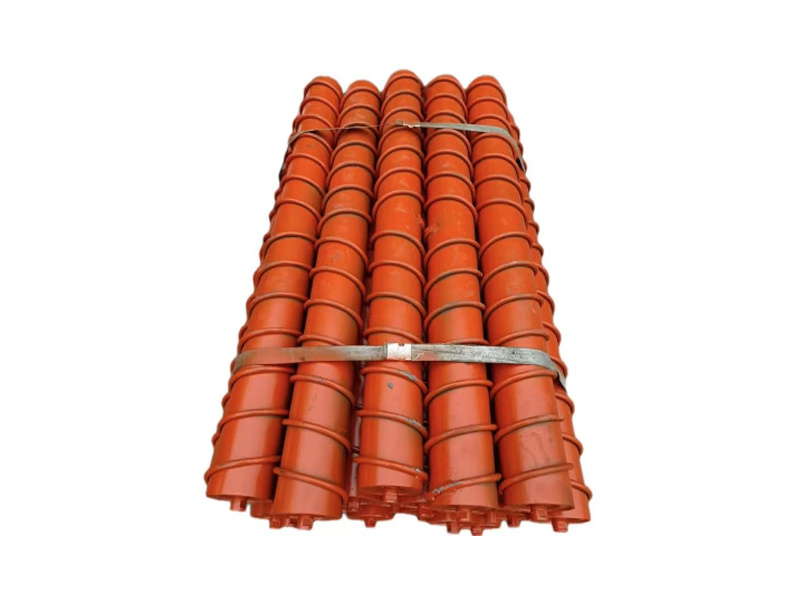
Mainly used to support the conveyor belt and the materials on it, reduce the running resistance of the conveyor belt, and ensure the smooth operation of the conveyor belt.
Contact Us
Tel:+86-15832022608(General Yan)
E-mail:yanzheng@hbsj-fasteners.com
Add: South of Liu Han Village, Liu Han Township, Yongnian District, Handan City, Hebei Province


Online Message
Please leave your demand information here, we will contact you within one working day and provide product solutions, please pay attention to check your email.