Professional manufacturer of one-stop supporting products for industrial and mining accessories.



In the fields of geotechnical engineering, construction engineering, etc., mesh is a commonly used auxiliary material. Here is a detailed introduction to mesh:
Function
Enhancing structural stability: In geotechnical slope support, mesh can be used in conjunction with anchor rods, anchor cables, and other support structures to wrap loose soil and rock within the mesh, preventing the soil and rock from falling or collapsing due to weathering, rain erosion, and other reasons, thus enhancing the stability of the slope. In concrete structures, steel mesh can improve the tensile strength and crack resistance of concrete, preventing cracks and damage during stress, thereby enhancing the stability and durability of the concrete structure.
Distributing loads: When mesh is laid on the surface of the soil or inside the structure, it can evenly distribute concentrated loads over a larger area, thereby reducing local stress concentration and lowering the risk of damage to the soil or structure due to excessive local stress.
Protective function: It can serve as a protective layer to prevent external objects from impacting or eroding the structure or soil. For example, in road engineering, wire mesh can prevent gravel from splashing and injuring people during vehicle operation; in building exterior wall insulation systems, wire mesh can prevent insulation materials from being damaged by external mechanical forces and small animals.
Filtration and drainage: Geogrid mesh has a certain porosity and can serve the purpose of filtration and drainage in geotechnical engineering. It can prevent the loss of soil particles while allowing water to flow freely through the pores, thus maintaining the stability and drainage performance of the soil.
Application fields
Geotechnical engineering: Widely used in slope support, foundation pit support, tunnel lining, foundation treatment, etc., in conjunction with anchor rods, anchor cables, soil nails, and other support structures to enhance the stability and safety of the soil.
Construction engineering: In concrete structures, steel mesh is used for reinforcing and crack resistance of concrete slabs, walls, beams, columns, and other components, improving the quality and durability of the concrete structure. In building exterior wall insulation systems, wire mesh is used to secure insulation materials, preventing them from falling off and cracking.
Road engineering: It can be used for reinforcing and stabilizing the road base, preventing cracks and deformation of the road base under vehicle loads. In asphalt pavements, wire mesh can serve as a crack prevention layer, improving the crack resistance of the pavement.
Water conservancy engineering: In water conservancy projects such as dams, levees, and channels, mesh can be used to reinforce soil, prevent soil erosion and leakage, and can also serve as a filtration layer to prevent silt from entering the drainage system.
netting
Contact Us:
Product Classification:
Product inquiry
Note: Please leave your Tel, our professionals will contact you as soon as possible and provide product solutions!
Related Products
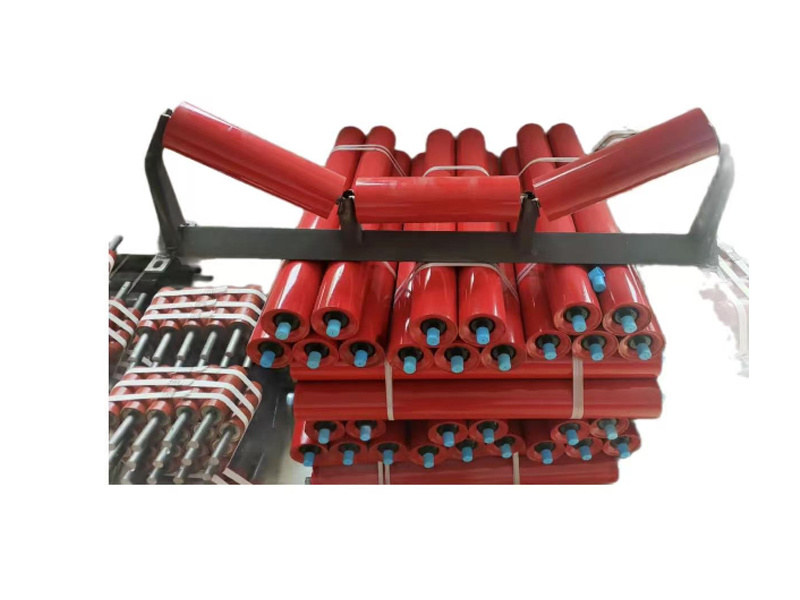
Mainly used to support the conveyor belt and the materials on it, reduce the running resistance of the conveyor belt, and ensure the smooth operation of the conveyor belt.

Mainly used to support the conveyor belt and the materials on it, reduce the running resistance of the conveyor belt, and ensure the smooth operation of the conveyor belt.
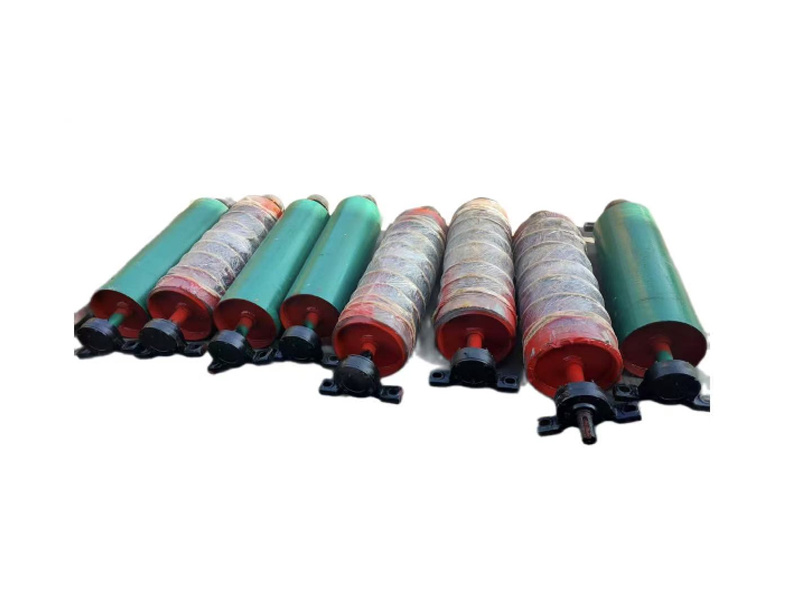
Available in various diameters and lengths to perfectly fit your conveying system.
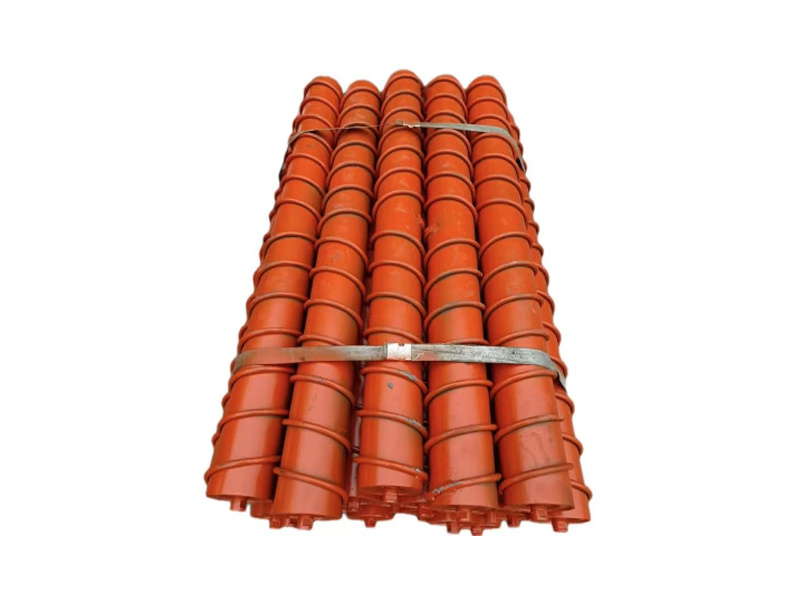
Mainly used to support the conveyor belt and the materials on it, reduce the running resistance of the conveyor belt, and ensure the smooth operation of the conveyor belt.
Contact Us
Tel:+86-15832022608(General Yan)
E-mail:yanzheng@hbsj-fasteners.com
Add: South of Liu Han Village, Liu Han Township, Yongnian District, Handan City, Hebei Province


Online Message
Please leave your demand information here, we will contact you within one working day and provide product solutions, please pay attention to check your email.