Professional manufacturer of one-stop supporting products for industrial and mining accessories.



Definition and Classification
Definition: A rail spike is a fastening device used to secure tracks or road surfaces to their foundations on transportation routes such as railways and highways, typically made of metal or other high-strength materials.
Classification by Use: It can be divided into railway spikes, highway spikes, etc. Railway spikes are mainly used to secure railway steel tracks, ensuring the stability and safety of the tracks during train operations; highway spikes are mainly used to mark lanes on roads, warn of hazardous areas, or serve as auxiliary facilities for traffic signs.
Classification by Material: There are ordinary carbon steel spikes, alloy steel spikes, plastic spikes, rubber spikes, etc. Ordinary carbon steel spikes are relatively low-cost but have poorer corrosion resistance; alloy steel spikes have higher strength and better corrosion resistance, suitable for situations with higher performance requirements; plastic and rubber spikes are lightweight, flexible, and not easily damaged, often used on urban roads and sections requiring higher driving comfort.
Function
Fixing Tracks or Road Surfaces: On railways, spikes secure the steel tracks to the sleepers, ensuring the accurate position of the tracks during train operations, preventing displacement and deformation of the tracks, thus ensuring the safety and stability of train travel. On highways, spikes can fix road signs or markings to the surface, making them less susceptible to wear or damage from vehicles, maintaining the clarity and accuracy of road markings.
Load Transmission: When trains or vehicles travel on the road, the loads generated are transmitted through the steel tracks or road surface to the spikes, which then evenly distribute the load to the sleepers or road base, thereby dispersing the load, reducing localized stress on the road or track structure, and extending the lifespan of the road or track.
Warning and Guidance Function: Highway spikes usually have reflective or luminous properties, allowing them to reflect vehicle lights under nighttime or low visibility conditions, enabling drivers to clearly see the outline of the road and lane boundaries, serving a warning and guiding function, thus enhancing driving safety.
Structural Characteristics
Shape: Railway spikes are generally L-shaped or T-shaped, with one end having a sharp spike head for driving into the sleeper, and the other end connected to the fasteners at the bottom of the steel track, securing the track to the sleeper. Highway spikes have a more diverse shape, commonly circular, square, or conical, with a flat or curved top to allow smooth passage for vehicles, and a certain anchoring structure at the bottom for securing to the road surface.
Size: The size of railway spikes is usually determined by the type of railway and the specifications of the steel track, generally ranging from 100mm to 200mm in length and 10mm to 20mm in diameter. Highway spikes are relatively smaller, with diameters generally ranging from 50mm to 150mm and heights from 20mm to 50mm.
road stud
Contact Us:
Product Classification:
Product inquiry
Note: Please leave your Tel, our professionals will contact you as soon as possible and provide product solutions!
Related Products
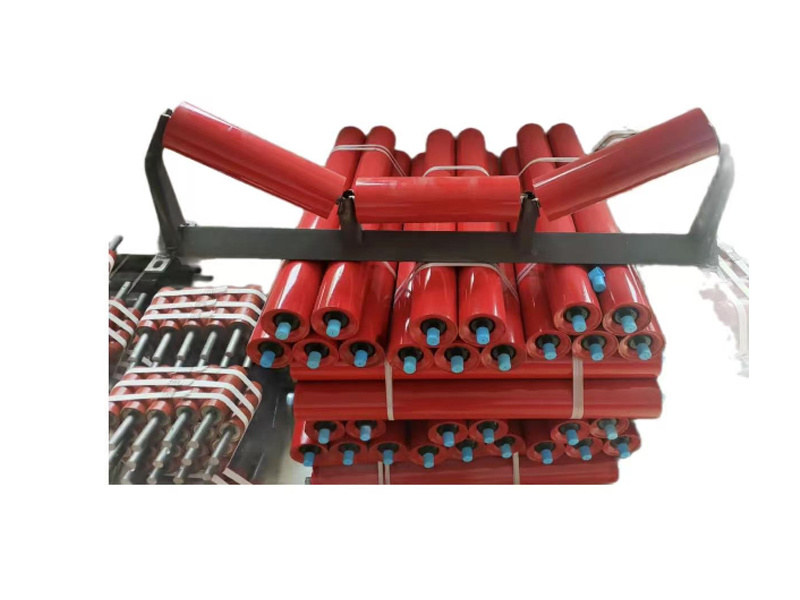
Mainly used to support the conveyor belt and the materials on it, reduce the running resistance of the conveyor belt, and ensure the smooth operation of the conveyor belt.

Mainly used to support the conveyor belt and the materials on it, reduce the running resistance of the conveyor belt, and ensure the smooth operation of the conveyor belt.
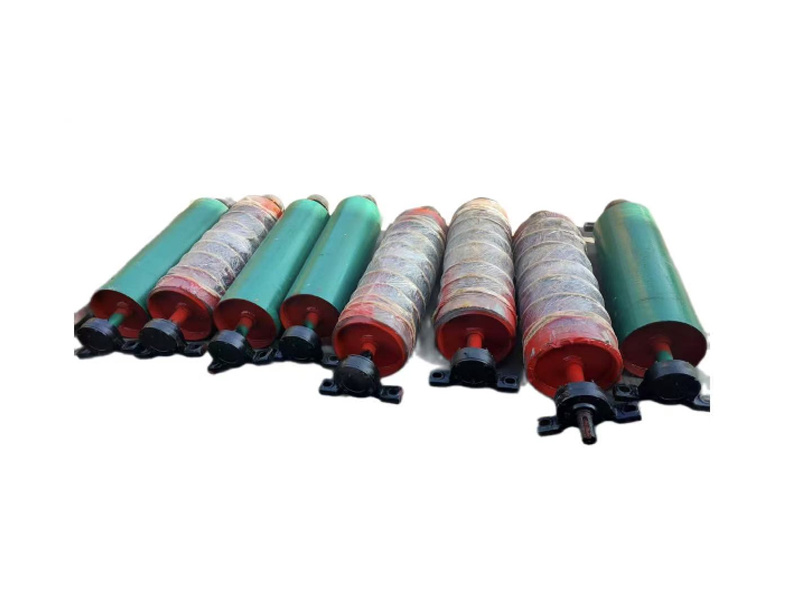
Available in various diameters and lengths to perfectly fit your conveying system.
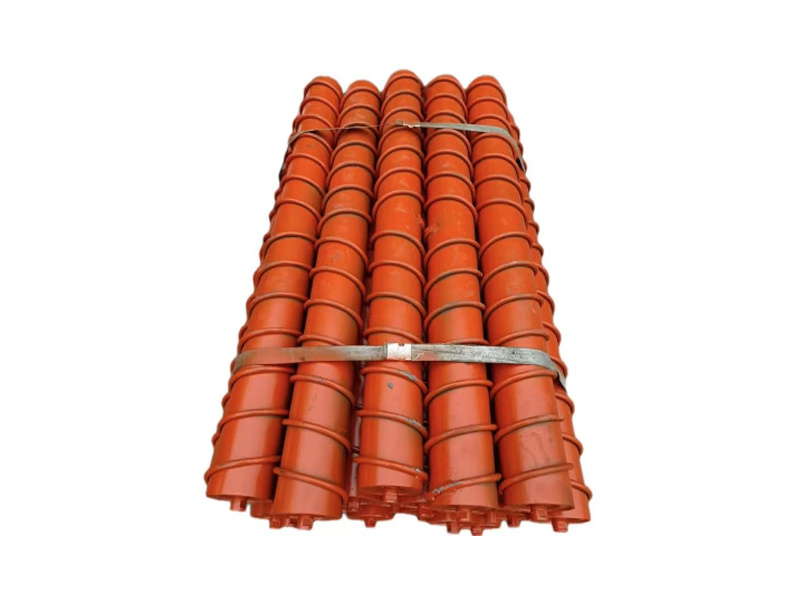
Mainly used to support the conveyor belt and the materials on it, reduce the running resistance of the conveyor belt, and ensure the smooth operation of the conveyor belt.
Contact Us
Tel:+86-15832022608(General Yan)
E-mail:yanzheng@hbsj-fasteners.com
Add: South of Liu Han Village, Liu Han Township, Yongnian District, Handan City, Hebei Province


Online Message
Please leave your demand information here, we will contact you within one working day and provide product solutions, please pay attention to check your email.