Professional manufacturer of one-stop supporting products for industrial and mining accessories.



Structural Characteristics
Shape and Structure: The overall shape resembles a fish tail, slightly thicker in the middle, gradually tapering at both ends with a certain curvature, compatible with the shape of the rail head and rail bottom. Its surface is usually relatively flat and smooth to ensure a tight fit with the rail. There are multiple bolt holes on the fish tail plate for installing fish tail bolts, which securely fasten the fish tail plate to the rail joint by tightening the bolts.
Size Specifications: Common types include fish tail plates corresponding to different models of rails such as 43kg/m, 50kg/m, 60kg/m, and 75kg/m, with variations in length, width, thickness, and the number, diameter, and spacing of bolt holes to meet the connection needs of different rail specifications. For example, the length of the fish tail plate used for 60kg/m rails is generally around 790mm, with a width of about 100mm and a thickness of around 20mm.
Function
Connecting and Fixing Rails: In railway tracks, due to the limited length of rails, fish tail plates are used to connect individual rails together, forming a continuous track, ensuring that trains can run smoothly on the track. This is one of the key components that ensure the integrity and stability of the railway line.
Transmitting Train Loads: When trains run on the track, the wheels exert tremendous pressure, impact forces, and lateral forces on the rails. The fish tail plate can transmit these loads from one rail to another connected rail, allowing the loads to be evenly distributed throughout the track structure, preventing deformation, fracture, and other damage at the rail joints due to concentrated loads.
Compensating for Rail Expansion and Contraction: In different seasons and environmental temperatures, rails undergo expansion and contraction due to thermal effects. The fish tail plate allows for a certain range of movement in the rails during connection, compensating for rail expansion and contraction, thereby reducing internal stress caused by restricted expansion and lowering the risk of track failures.
tail board
Contact Us:
Product Classification:
Product inquiry
Note: Please leave your Tel, our professionals will contact you as soon as possible and provide product solutions!
Related Products
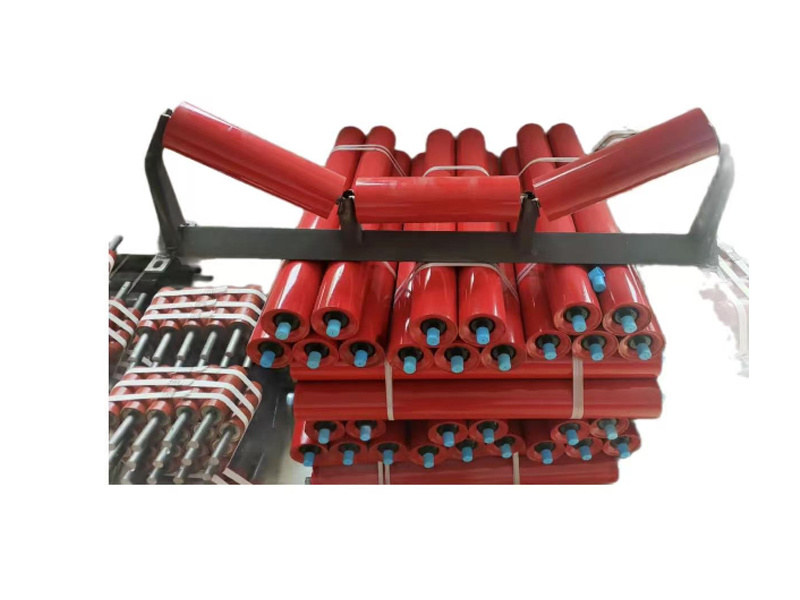
Mainly used to support the conveyor belt and the materials on it, reduce the running resistance of the conveyor belt, and ensure the smooth operation of the conveyor belt.

Mainly used to support the conveyor belt and the materials on it, reduce the running resistance of the conveyor belt, and ensure the smooth operation of the conveyor belt.
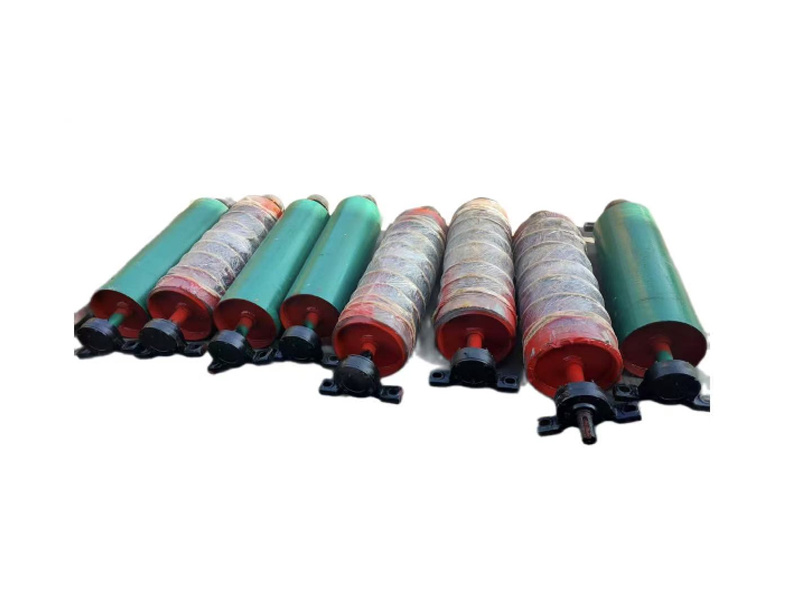
Available in various diameters and lengths to perfectly fit your conveying system.
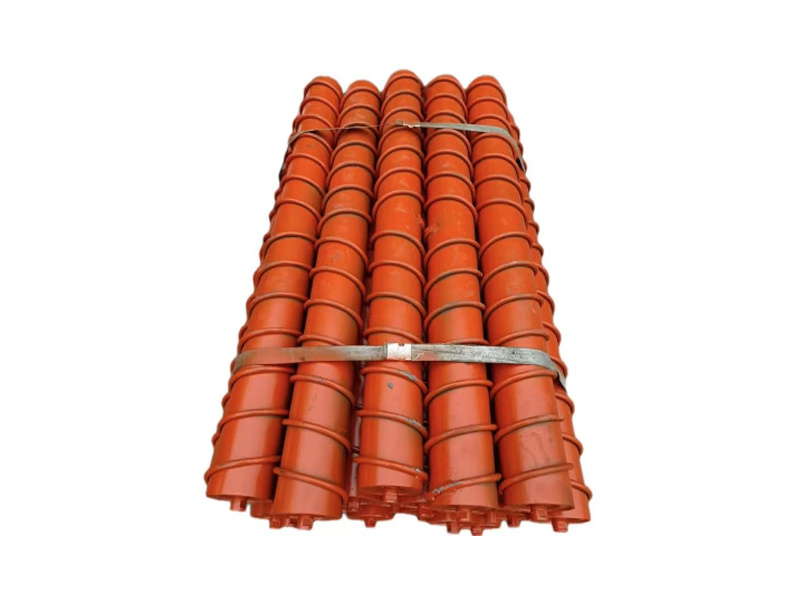
Mainly used to support the conveyor belt and the materials on it, reduce the running resistance of the conveyor belt, and ensure the smooth operation of the conveyor belt.
Contact Us
Tel:+86-15832022608(General Yan)
E-mail:yanzheng@hbsj-fasteners.com
Add: South of Liu Han Village, Liu Han Township, Yongnian District, Handan City, Hebei Province


Online Message
Please leave your demand information here, we will contact you within one working day and provide product solutions, please pay attention to check your email.