Professional manufacturer of one-stop supporting products for industrial and mining accessories.



The gauge tie rod is an important component in the railway track structure. Below is a detailed introduction to the gauge tie rod:
Structural Characteristics
Basic Composition: It usually consists of a tie rod, rod base, nut, washer, and other parts. The tie rod is generally a round or square metal rod with a certain length and strength, and its two ends are usually threaded for connection with the rod base. The rod base is the part that contacts the bottom of the rail, generally flat, with a specific shape and size, allowing it to fit closely with the bottom of the rail, and usually has slots or protrusions to ensure accurate and secure installation on the rail bottom. The nut and washer are used to fix and adjust the tightness of the tie rod.
Size Specifications: The specifications of the gauge tie rod vary according to the type of railway track and gauge requirements. Common specifications have lengths ranging from 800mm to 1500mm, with a rod diameter generally between 20mm and 30mm. For example, in standard gauge railways, the commonly used gauge tie rod length is about 1050mm, with a rod diameter of about 25mm.
Function
Maintaining Gauge Stability: In railway tracks, gauge refers to the distance between the inner sides of the heads of two steel rails, with a standard gauge of 1435mm. The gauge tie rod connects the bottoms of two steel rails, applying lateral tension to effectively limit the lateral displacement of the rails under train loads, ensuring that the gauge remains within the specified range, thus ensuring the safe operation of trains.
Enhancing the Integrity of the Track Structure: It connects two steel rails into a whole, allowing the track structure to work more harmoniously under train loads, improving the overall stability and load-bearing capacity of the track. When a train passes, the gauge tie rod allows the two steel rails to share the load, reducing the deformation and damage that may occur when a single rail bears the load, extending the service life of the rails and the entire track structure.
Transmitting Lateral Forces: During the operation of a train, certain lateral forces are generated, such as centrifugal force and lateral forces caused by swaying motion. The gauge tie rod can transmit and distribute these lateral forces between the two steel rails, allowing both rails to jointly bear the lateral forces, preventing excessive lateral deformation of a single rail or changes in the geometric dimensions of the track due to concentrated lateral forces.
Gauge tie rod
Contact Us:
Product Classification:
Product inquiry
Note: Please leave your Tel, our professionals will contact you as soon as possible and provide product solutions!
Related Products
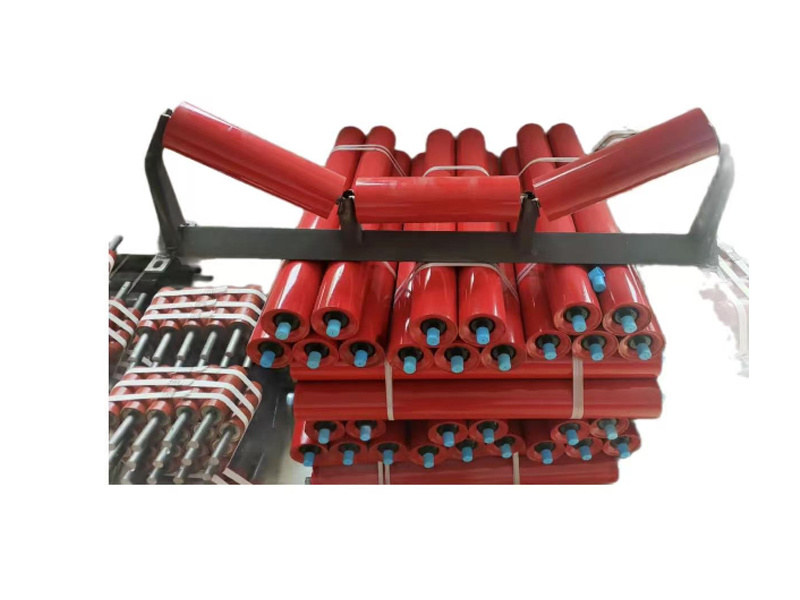
Mainly used to support the conveyor belt and the materials on it, reduce the running resistance of the conveyor belt, and ensure the smooth operation of the conveyor belt.

Mainly used to support the conveyor belt and the materials on it, reduce the running resistance of the conveyor belt, and ensure the smooth operation of the conveyor belt.
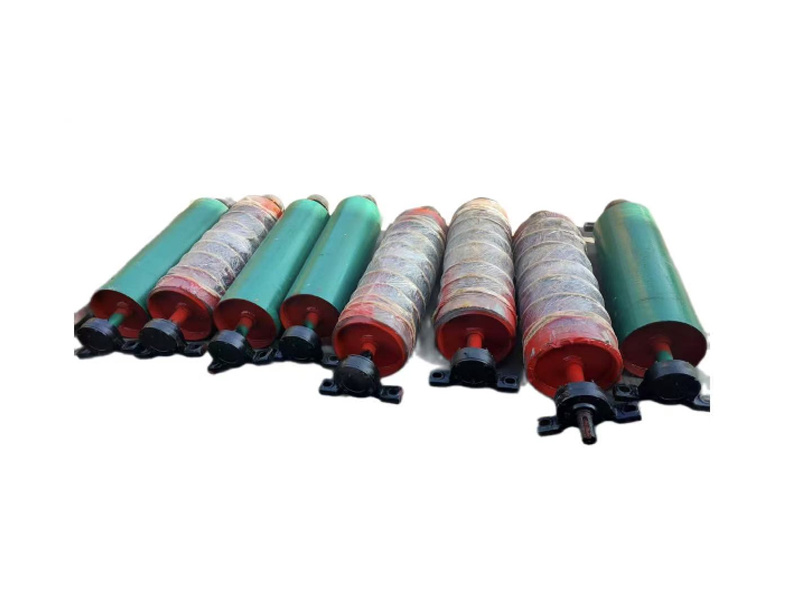
Available in various diameters and lengths to perfectly fit your conveying system.
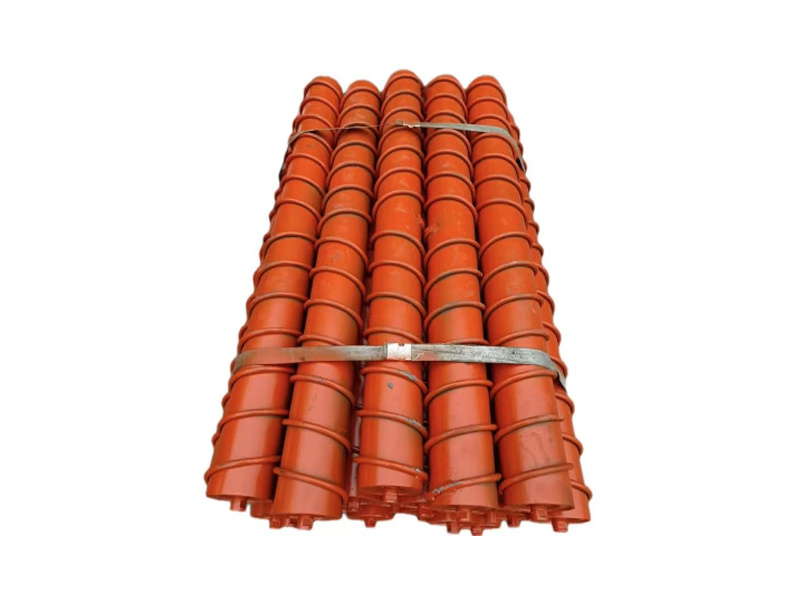
Mainly used to support the conveyor belt and the materials on it, reduce the running resistance of the conveyor belt, and ensure the smooth operation of the conveyor belt.
Contact Us
Tel:+86-15832022608(General Yan)
E-mail:yanzheng@hbsj-fasteners.com
Add: South of Liu Han Village, Liu Han Township, Yongnian District, Handan City, Hebei Province


Online Message
Please leave your demand information here, we will contact you within one working day and provide product solutions, please pay attention to check your email.