Professional manufacturer of one-stop supporting products for industrial and mining accessories.



The rail clamp is a device used to secure steel rails, widely used in railway tracks, crane tracks, and other industrial track systems. Below is a detailed introduction to the rail clamp:
Structural Composition
Main components: Typically composed of a base, pressure plate, bolts, nuts, washers, etc. The base is generally a metal block made by casting or forging, with a certain shape and size, used to connect with the foundation structure and support the pressure plate. The pressure plate is the component that directly contacts the steel rail, and its shape and size match the profile of the steel rail, usually in a U-shape or L-shape, to better fit the steel rail and apply pressure. Bolts, nuts, and washers are used to connect the base and the pressure plate, tightening the nuts to firmly press the pressure plate against the steel rail, thereby securing the rail.
Special components: Some rail clamps may also be equipped with elastic pads, positioning pins, and other auxiliary components. The elastic pad is generally placed between the pressure plate and the steel rail, serving to buffer, reduce vibration, and minimize wear; the positioning pin is used to accurately locate the position of the pressure plate and the steel rail during installation, ensuring the installation accuracy of the rail clamp.
Function
Fixing the position of the steel rail: In railway tracks and industrial track systems, the primary function of the rail clamp is to securely fix the steel rail in the predetermined position, preventing the rail from shifting, moving, or lifting during the operation of trains or cranes, ensuring the geometric dimensions and positional accuracy of the track, thereby guaranteeing the safety and stability of vehicle operation or equipment.
Transmitting loads: When trains or cranes operate on the track, the enormous pressure and impact force generated by the wheels on the steel rail need to be transmitted through the rail to the foundation structure. The rail clamp, as the connecting component between the rail and the foundation structure, can effectively transmit these loads, allowing the loads to be evenly distributed on the foundation structure, avoiding damage to the rail due to excessive localized stress, while also ensuring the safety and stability of the foundation structure.
Vibration and noise reduction: In some situations where vibration and noise requirements are high, such as urban rail transit, the elastic pads in the rail clamp can play a role in reducing vibration and noise. They can absorb and buffer the vibrations and impacts generated between the wheels and the steel rail, reducing the propagation of vibrations and noise, and improving the comfort and environmental friendliness of the track system.
Rail fastening device
Contact Us:
Product Classification:
Product inquiry
Note: Please leave your Tel, our professionals will contact you as soon as possible and provide product solutions!
Related Products
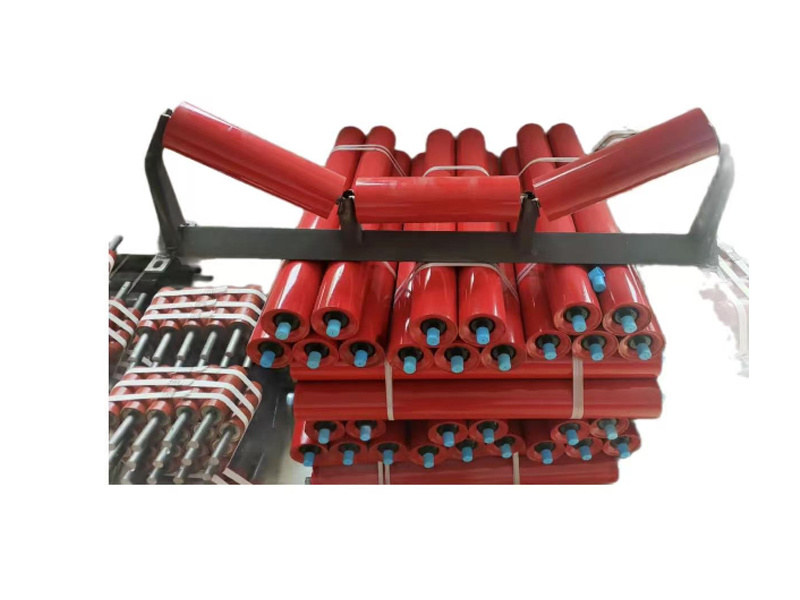
Mainly used to support the conveyor belt and the materials on it, reduce the running resistance of the conveyor belt, and ensure the smooth operation of the conveyor belt.

Mainly used to support the conveyor belt and the materials on it, reduce the running resistance of the conveyor belt, and ensure the smooth operation of the conveyor belt.
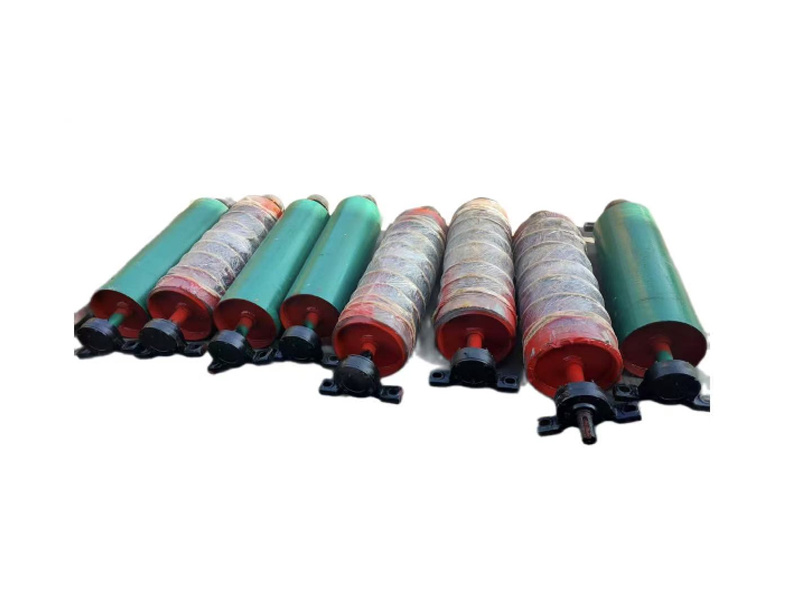
Available in various diameters and lengths to perfectly fit your conveying system.
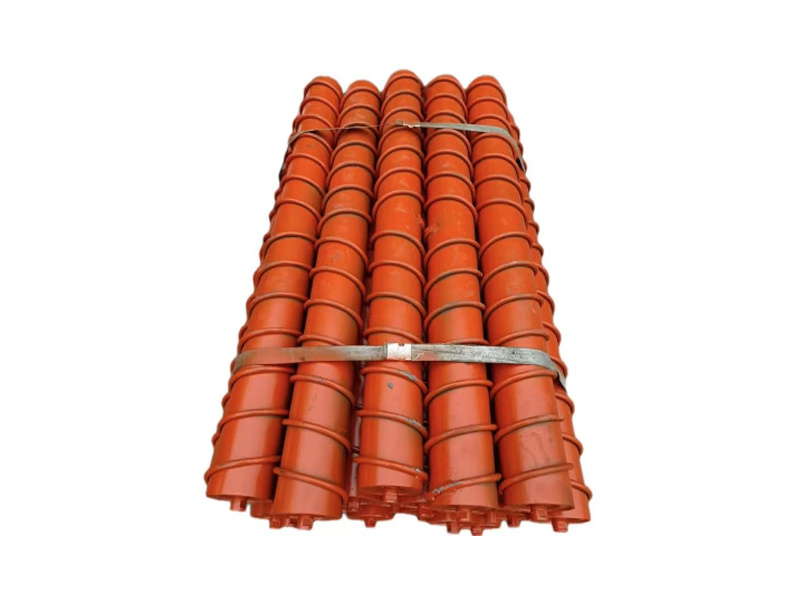
Mainly used to support the conveyor belt and the materials on it, reduce the running resistance of the conveyor belt, and ensure the smooth operation of the conveyor belt.
Contact Us
Tel:+86-15832022608(General Yan)
E-mail:yanzheng@hbsj-fasteners.com
Add: South of Liu Han Village, Liu Han Township, Yongnian District, Handan City, Hebei Province


Online Message
Please leave your demand information here, we will contact you within one working day and provide product solutions, please pay attention to check your email.