Professional manufacturer of one-stop supporting products for industrial and mining accessories.



The plate switch usually refers to a switch structure that uses plates to fix the rails. Below is a detailed introduction to the plate switch:
Structural Composition
Plate components: These are the key components that directly act on the rails, generally made of high-strength metals such as high-quality carbon steel or alloy steel, typically in L or U shapes. Their dimensions match the rail head and rail base to ensure a close fit with the rails, fixing the rails in place through bolts or other fastening devices, ensuring the stability of the rails in the switch area.
Switch part: This includes the basic rail, the switch rail, and the switch mechanism. The basic rail provides a stable guiding reference for train operation; the switch rail can move left or right under the action of the switch mechanism, allowing for the direction change of the switch; the switch mechanism is used to control the movement of the switch rail, commonly seen as electric switch machines, hydraulic switch machines, etc., which can accurately and quickly move the switch rail to the specified position.
Frog and guard rail part: The frog is used to achieve the cross connection of two tracks, allowing the wheels to smoothly pass through the crossing area of the switch; the guard rails are set on both sides of the frog to prevent the wheels from going off the frog slot and causing derailment accidents, forcibly guiding the direction of the wheel's movement.
Connection part: This includes the guiding curve rail and various connecting parts, such as fishplates, bolts, washers, etc. The guiding curve rail is used to guide the train from the straight track to the side track in the switch area; the connecting parts ensure reliable connections between various components, forming an integral structure of the switch.
Working Principle
Opening the straight track: When the switch machine is not activated, the switch rail is in close contact with the basic rail, allowing the train to smoothly pass through the switch along the straight track. At this time, the plate mainly serves to fix the rails, ensuring the geometric dimensions and stability of the straight track.
Opening the side track: When a train needs to switch to the side track, the switch machine is activated, moving the switch rail through a pull rod or other transmission devices, separating the switch rail from the basic rail and bringing it into close contact with the basic rail on the other side, thus opening the side track. During this process, the plate needs to withstand the lateral forces and friction generated by the movement of the switch rail, ensuring that the switch rail can be stably fixed in the new position.
Working principle at the frog: At the frog part, there is a gap between the narrowest points of the two wing rails and the tip of the frog, which is the harmful space of the switch. When the wheels pass through this area, the guard rails will forcibly guide the direction of the wheel's movement, preventing the wheels from going off the frog slot and causing derailment. The plate also serves to fix the wing rails and guard rails in the frog area, ensuring the structural stability and safety of the frog.
Features
Simple structure: The structure of the plate switch is relatively simple, mainly composed of plates, rails, switch mechanisms, frogs, and guard rails, without complex mechanical transmission devices and excessive components, making it easy to manufacture, install, and maintain, reducing construction costs and maintenance difficulties.
Reliable fixation: The plates tightly fix the rails through bolts and other fastening devices, providing a large clamping force, effectively preventing the rails from shifting, moving, or lifting during train operation, ensuring the geometric dimensions and positional accuracy of the switch, thus improving the stability and safety of the switch.
Strong adaptability: It can be custom-designed according to different railway line grades, train operating speeds, and transportation needs, such as adjusting the size, material, and fastening methods of the plates, changing the models of the switch mechanism and frog, etc., to adapt to various complex working conditions.
Convenient maintenance: Due to its simple structure, the daily inspection and maintenance of the plate switch are relatively easy to carry out. Regular checks on the fastening condition of the plates, wear of the rails, and flexibility of the switch mechanism can help identify and address potential issues in a timely manner, reducing the probability of failures and extending the service life of the switch.
Pressure plate switch
Contact Us:
Product Classification:
Product inquiry
Note: Please leave your Tel, our professionals will contact you as soon as possible and provide product solutions!
Related Products
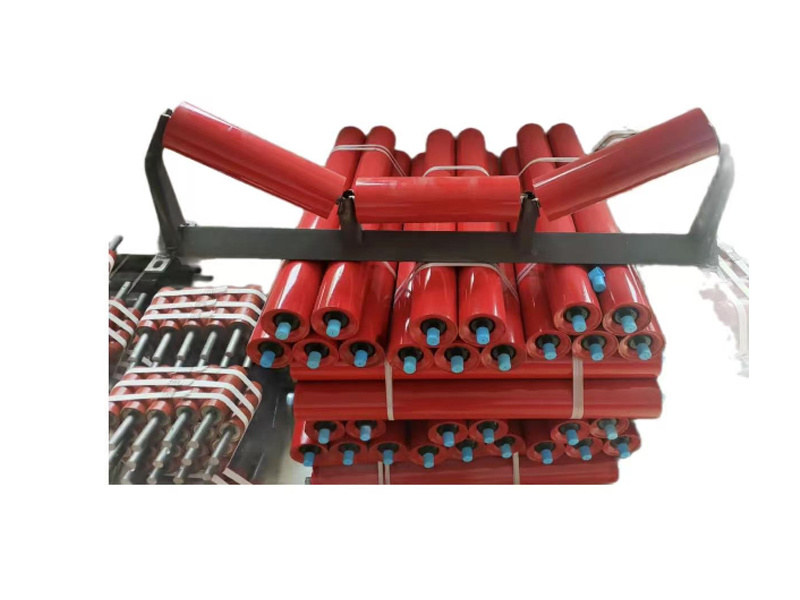
Mainly used to support the conveyor belt and the materials on it, reduce the running resistance of the conveyor belt, and ensure the smooth operation of the conveyor belt.

Mainly used to support the conveyor belt and the materials on it, reduce the running resistance of the conveyor belt, and ensure the smooth operation of the conveyor belt.
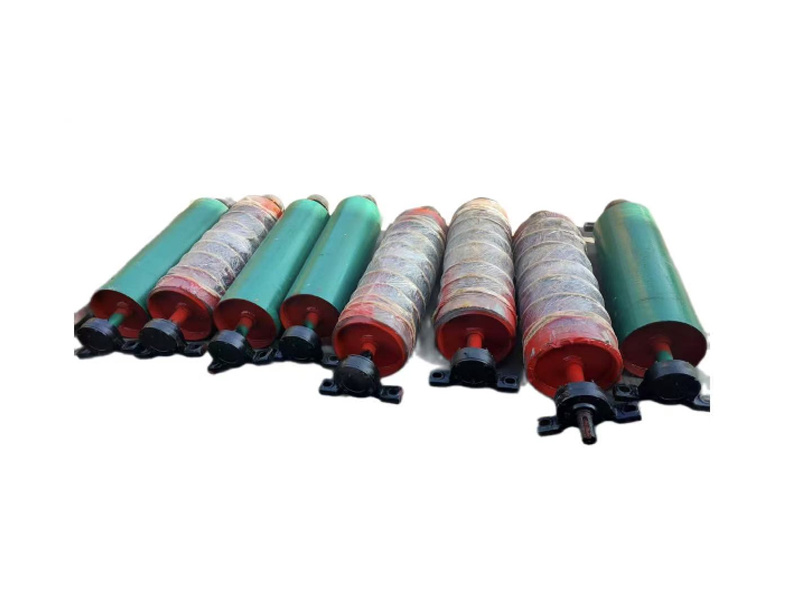
Available in various diameters and lengths to perfectly fit your conveying system.
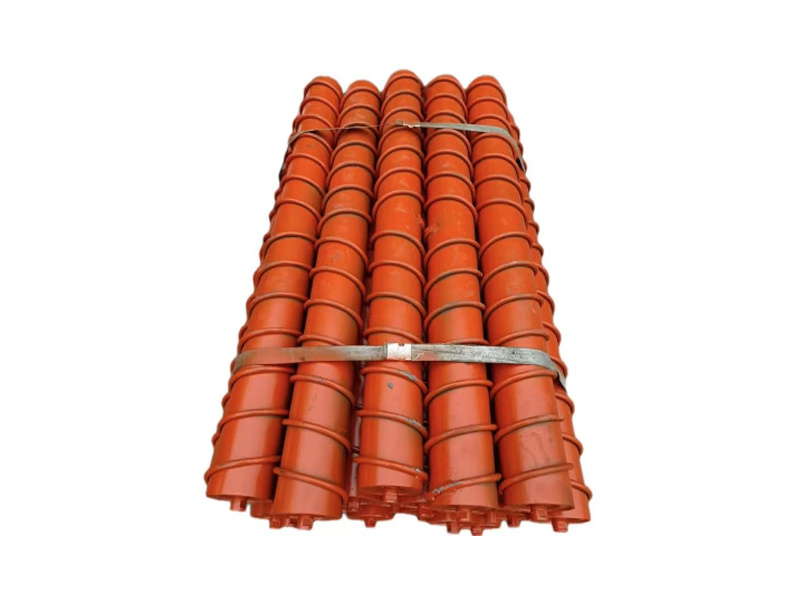
Mainly used to support the conveyor belt and the materials on it, reduce the running resistance of the conveyor belt, and ensure the smooth operation of the conveyor belt.
Contact Us
Tel:+86-15832022608(General Yan)
E-mail:yanzheng@hbsj-fasteners.com
Add: South of Liu Han Village, Liu Han Township, Yongnian District, Handan City, Hebei Province


Online Message
Please leave your demand information here, we will contact you within one working day and provide product solutions, please pay attention to check your email.