Professional manufacturer of one-stop supporting products for industrial and mining accessories.



Definition and Basic Structure
The iron shoe is a tool used in railway shunting operations to prevent vehicles from rolling away. It mainly consists of parts such as the shoe body, sole, toe, and heel. The shoe body is generally made of cast iron or cast steel, shaped like a flat shoe, capable of bearing the weight of the vehicle. The sole is relatively flat, used for contact with the rail to increase friction. The toe is designed to be sharp for easy insertion between the wheel and the rail. The heel can serve as a point of leverage during operation.
Working Principle
When the iron shoe is placed between the wheel and the rail, as the wheel rolls to the position of the iron shoe, the large friction between the iron shoe and the rail will prevent the wheel from rolling, thus preventing the vehicle from rolling away. Specifically, the wheel presses down on the iron shoe, causing the sole of the shoe to tightly adhere to the rail, and the kinetic energy of the wheel is consumed by the friction between the iron shoe and the rail, thereby stopping the vehicle.
Classification
Ordinary Iron Shoe: This is the most common type of iron shoe, with a simple structure, mainly used for general vehicle anti-roll operations. Its size is usually determined based on the type of rail and the size of the vehicle wheelset, for example, the ordinary iron shoe suitable for standard gauge railways (1435mm gauge) typically has a length of 30 - 40 centimeters and a width of about 10 - 15 centimeters.
Self-locking Iron Shoe: This type of iron shoe adds a self-locking device based on the ordinary iron shoe. When the wheel presses on the iron shoe, the self-locking device automatically activates, making the iron shoe more securely wedged between the wheel and the rail, enhancing the anti-roll effect. Self-locking iron shoes are widely used in situations with high safety requirements, such as large classification yards and steep sections of freight stations.
Usage Scenarios and Precautions
Usage Scenarios: Iron shoes are mainly used in shunting operations at railway stations and to prevent vehicles from rolling when they are stationary. For example, during the shunting and splitting operations of freight trains, iron shoes need to be placed under the wheels to prevent vehicles from sliding on their own without power traction. In some sloped tracks at stations, iron shoes must also be used to ensure safety when vehicles are parked for extended periods.
Precautions: When using iron shoes, operators must ensure that the placement of the iron shoe is accurate, it must be placed directly under the wheel and fully inserted between the wheel and the rail. Before the vehicle starts, it is essential to remember to remove the iron shoe; otherwise, it may damage the vehicle and the iron shoe, and even cause accidents. Additionally, after use, iron shoes should be properly stored, and their wear should be checked regularly. If the sole is severely worn or the toe is deformed, the iron shoe needs to be replaced promptly.
Railway equipment accessory: iron shoe
Contact Us:
Product Classification:
Product inquiry
Note: Please leave your Tel, our professionals will contact you as soon as possible and provide product solutions!
Related Products
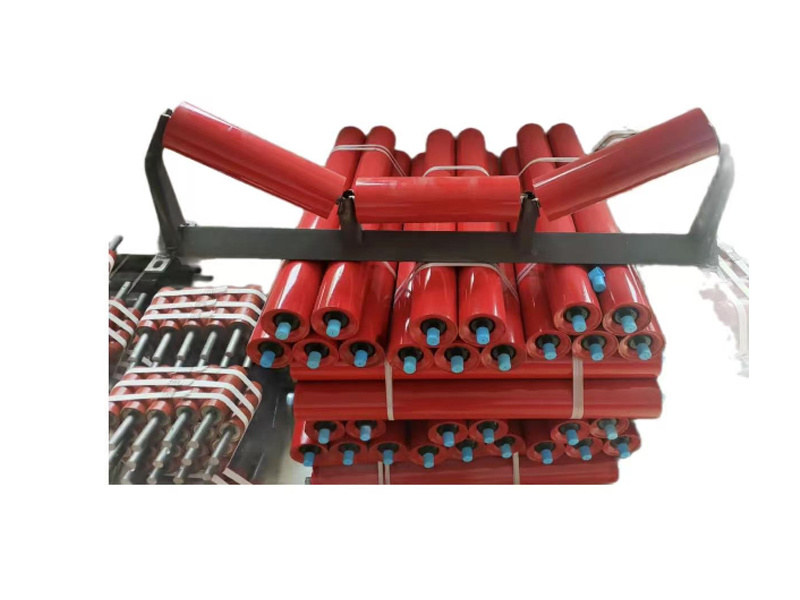
Mainly used to support the conveyor belt and the materials on it, reduce the running resistance of the conveyor belt, and ensure the smooth operation of the conveyor belt.

Mainly used to support the conveyor belt and the materials on it, reduce the running resistance of the conveyor belt, and ensure the smooth operation of the conveyor belt.
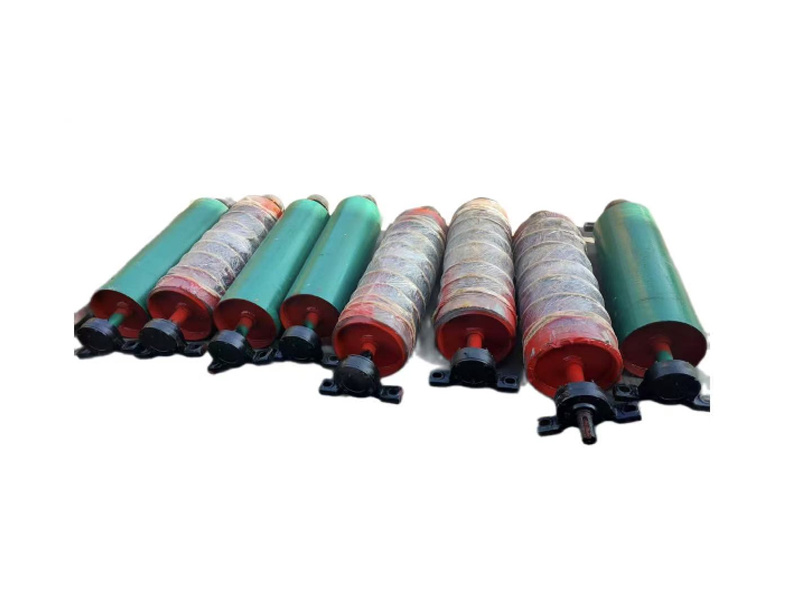
Available in various diameters and lengths to perfectly fit your conveying system.
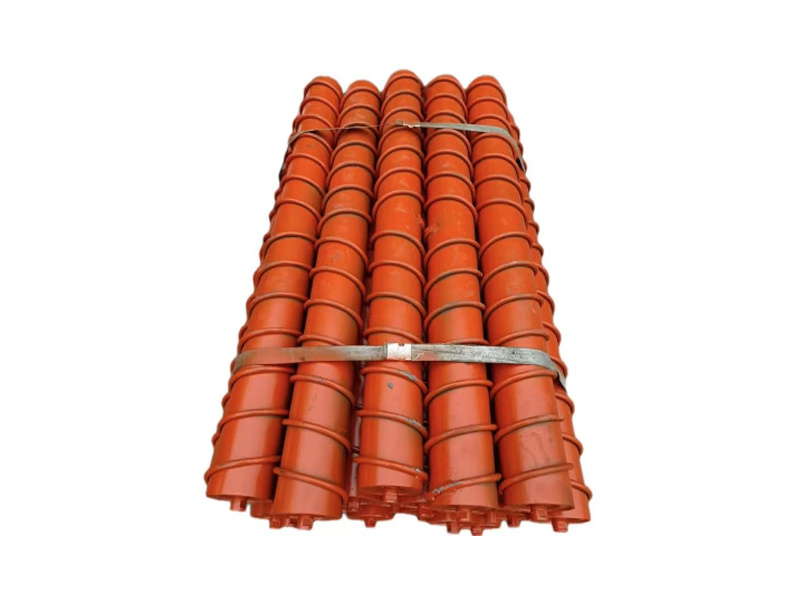
Mainly used to support the conveyor belt and the materials on it, reduce the running resistance of the conveyor belt, and ensure the smooth operation of the conveyor belt.
Contact Us
Tel:+86-15832022608(General Yan)
E-mail:yanzheng@hbsj-fasteners.com
Add: South of Liu Han Village, Liu Han Township, Yongnian District, Handan City, Hebei Province


Online Message
Please leave your demand information here, we will contact you within one working day and provide product solutions, please pay attention to check your email.