Professional manufacturer of one-stop supporting products for industrial and mining accessories.



Definition and Use
A spike hammer is a specialized tool used in the laying and maintenance of railway tracks to drive in or pull out spikes. Spikes are mainly used to secure rails to sleepers, and the role of the spike hammer is to accurately and efficiently complete the installation and removal of spikes, thereby ensuring the stability of the railway track structure.
Structural Composition
Hammer Head:
The hammer head is generally forged from high-quality carbon steel or alloy steel, possessing high hardness and toughness. The shape of the hammer head typically has one flat end for striking the top of the spike to drive it into the sleeper; the other end may be horn-shaped or wedge-shaped for pulling out spikes that have already been driven into the sleeper. The flat striking surface of the hammer head is smooth and even to ensure accurate force transmission when striking the spike and to minimize damage to the top of the spike. The horn-shaped or wedge-shaped end is designed to be sharp, allowing it to easily fit into the gap between the spike and the sleeper, using leverage to pull out the spike.
Hammer Handle:
The hammer handle is usually made of wood, fiber-reinforced plastic, or metal. Wooden handles provide good elasticity and grip, which can reduce the reaction force during operation to some extent, but they are susceptible to environmental factors, such as moisture and decay. Fiber-reinforced plastic handles are strong, corrosion-resistant, and wear-resistant, offering a long service life. Metal handles are sturdier but may be heavier and can feel uncomfortable for the user in cold weather. The length of the handle is generally around 30 to 50 centimeters, making it convenient for workers to operate effectively while maintaining body balance.
Connection Part:
The connection between the hammer head and the handle is usually secured by a strong method, such as embedded connections reinforced with wedges or connected by metal hoops. This connection method ensures that the hammer head does not separate from the handle during repeated striking and forceful pulling of spikes, guaranteeing the safety and reliability of the tool.
Working Principle
Driving in Spikes: When driving in a spike, the worker holds the handle, places the spike vertically in the pre-drilled hole or marked position on the sleeper, and then aligns the flat end of the hammer head with the top of the spike. By swinging the handle, the hammer head generates impact force to gradually drive the spike into the sleeper. Care should be taken to maintain the vertical position of the spike during each strike, and the force should be moderate to avoid bending or damaging the spike.
Pulling Out Spikes: When it is necessary to pull out a spike, the horn-shaped or wedge-shaped end of the hammer head is inserted into the gap between the spike and the sleeper. Using leverage, by pressing down or prying the handle, the spike is gradually pulled out from the sleeper. During this process, it may be necessary to repeatedly adjust the position of the hammer head to ensure the spike can be pulled out smoothly.
Tag:
nail hammer
Contact Us:
Product Classification:
Product inquiry
Note: Please leave your Tel, our professionals will contact you as soon as possible and provide product solutions!
Related Products
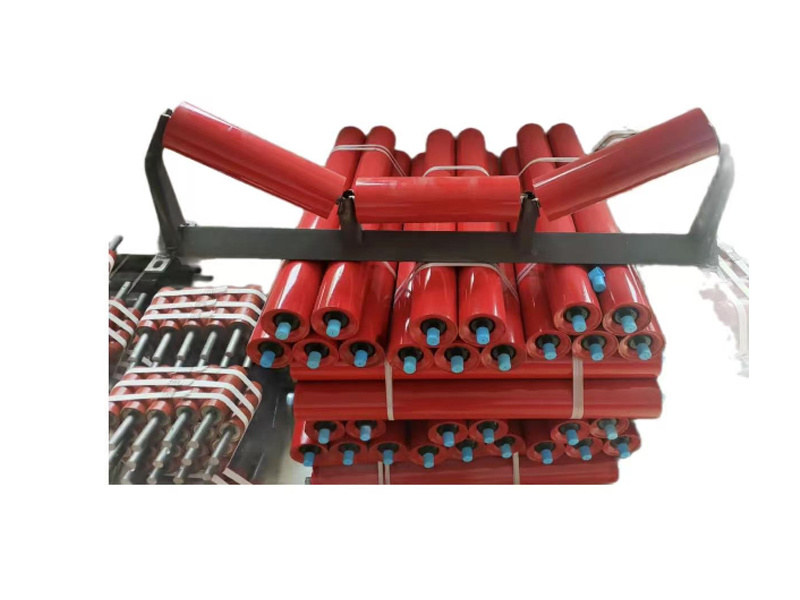
Mainly used to support the conveyor belt and the materials on it, reduce the running resistance of the conveyor belt, and ensure the smooth operation of the conveyor belt.

Mainly used to support the conveyor belt and the materials on it, reduce the running resistance of the conveyor belt, and ensure the smooth operation of the conveyor belt.
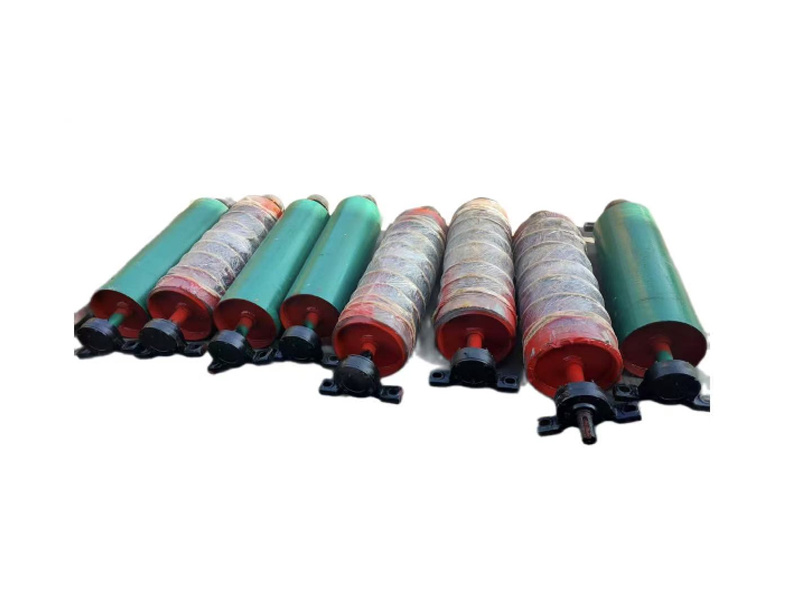
Available in various diameters and lengths to perfectly fit your conveying system.
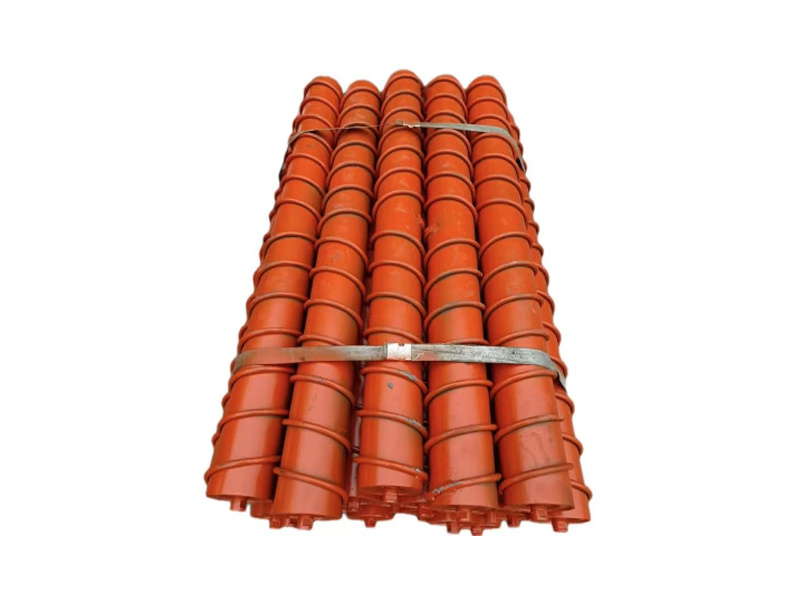
Mainly used to support the conveyor belt and the materials on it, reduce the running resistance of the conveyor belt, and ensure the smooth operation of the conveyor belt.
Contact Us
Tel:+86-15832022608(General Yan)
E-mail:yanzheng@hbsj-fasteners.com
Add: South of Liu Han Village, Liu Han Township, Yongnian District, Handan City, Hebei Province


Online Message
Please leave your demand information here, we will contact you within one working day and provide product solutions, please pay attention to check your email.