Professional manufacturer of one-stop supporting products for industrial and mining accessories.



Definition and Use
The vehicle stop device is a device installed on the track to prevent vehicles (such as mine cars, railway vehicles, etc.) from moving. In mining transportation systems, it is mainly used to prevent mine cars from accidentally rolling on the track, ensuring the safety of underground transportation. In railway systems, it can be used in classification yards, freight yards, and other places to prevent vehicles from moving without permission, providing safety protection for vehicle parking and scheduling.
Structural Composition
Main Frame: Generally made of metal materials (such as steel), it has sufficient strength and rigidity to withstand the impact of vehicles. The shape and size of the frame are designed according to the type of track installed (such as narrow gauge in mines or standard railway gauge) and the usage scenario, ensuring that it can be securely installed on the track.
Braking Components:
Normally Closed Vehicle Stop Device: This type of stop device is in a braking state under normal conditions, and its braking components are usually controlled by mechanical structures (such as linkages, cranks, etc.) or hydraulic and pneumatic devices that operate the brake shoes or blocks. The brake shoes or blocks can directly act on the wheels or tracks, preventing the vehicle from moving forward or backward. For example, on the inclined track in a mine, the brake shoes of a normally closed stop device can tightly grip the wheels of the mine car, preventing the mine car from sliding down the incline.
Normally Open Vehicle Stop Device: Under normal conditions, it is in an open state. When it is necessary to stop a vehicle, the power device (such as an electric push rod, hydraulic cylinder, etc.) drives the braking component (such as a barrier) to extend across the track, blocking the vehicle.
Power Device (some stop devices are equipped with):
Hydraulic Power Device: Composed of hydraulic pump, hydraulic cylinder, hydraulic valve, and oil pipes, etc. The hydraulic pump provides power, delivering hydraulic oil to the hydraulic cylinder, pushing the piston to drive the braking components. The hydraulic system can provide a large braking force and operates relatively smoothly.
Pneumatic Power Device: Uses compressed air as the power source. It includes components such as air compressors, cylinders, and pneumatic valves. Compressed air enters the cylinder to push the piston, causing the braking components to act. The advantage of the pneumatic system is its rapid action and relative cleanliness, but the braking force may be relatively small.
Electric Power Device: Driven by an electric motor, such as an electric push rod or a motor combined with a mechanical transmission device. The electric power device facilitates automated control, allowing precise control of the action position and timing of the braking components.
Control Device:
Manual Control: Operated through manual levers, handles, or handwheels, it is simple and direct, suitable for situations that do not require frequent operation or have low automation requirements. For example, in the horizontal tracks of small mines, manually controlled stop devices can meet basic safety needs.
Automatic Control: Can be connected to vehicle detection systems (such as infrared sensors, proximity switches, etc.). When a vehicle is detected approaching, the automatic control device operates the braking components of the stop device according to a preset program. In the automated hump system of a railway classification yard, the automatically controlled stop device can brake and release vehicles based on their rolling speed and position, improving the efficiency and safety of vehicle scheduling.
Working Principle
Working Principle of Normally Closed Vehicle Stop Device: In the initial state, the braking components are in a position to grip the wheels or block the track through mechanical or power device action. When a vehicle needs to pass normally, the control device releases the braking state, allowing the vehicle to pass smoothly. Once the vehicle has passed, the braking components return to the braking state to prevent subsequent vehicles from moving unexpectedly.
Working Principle of Normally Open Vehicle Stop Device: Under normal conditions, the braking components are in an open position, allowing vehicles to pass freely. When it is necessary to stop a vehicle, the control device activates the power device, extending the braking components across the track, stopping the vehicle upon collision. When it is not necessary to stop the vehicle, the power device retracts the braking components, restoring the vehicle's passage state.
Tag:
Roadblock
Contact Us:
Product Classification:
Product inquiry
Note: Please leave your Tel, our professionals will contact you as soon as possible and provide product solutions!
Related Products
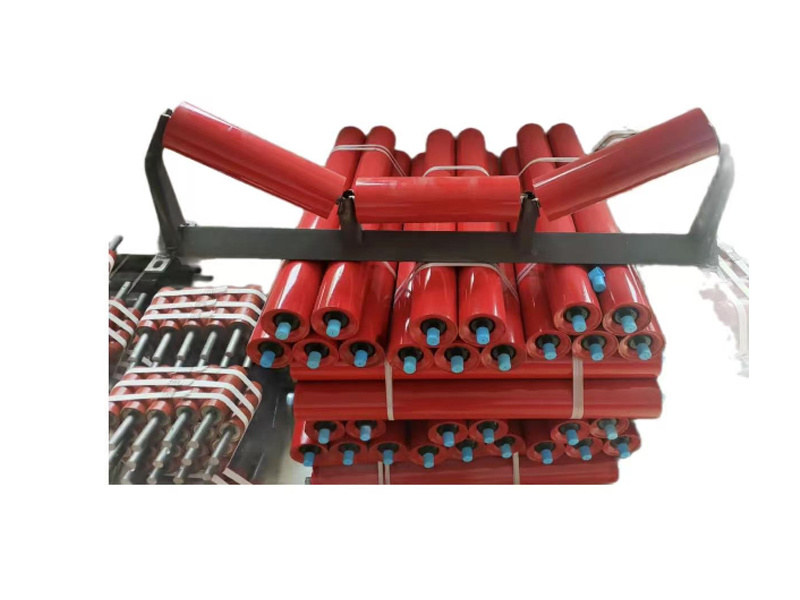
Mainly used to support the conveyor belt and the materials on it, reduce the running resistance of the conveyor belt, and ensure the smooth operation of the conveyor belt.

Mainly used to support the conveyor belt and the materials on it, reduce the running resistance of the conveyor belt, and ensure the smooth operation of the conveyor belt.
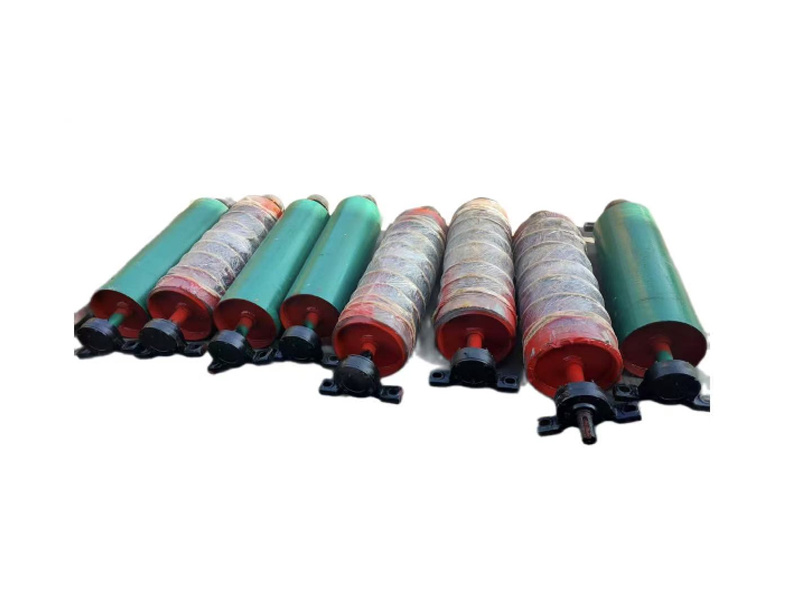
Available in various diameters and lengths to perfectly fit your conveying system.
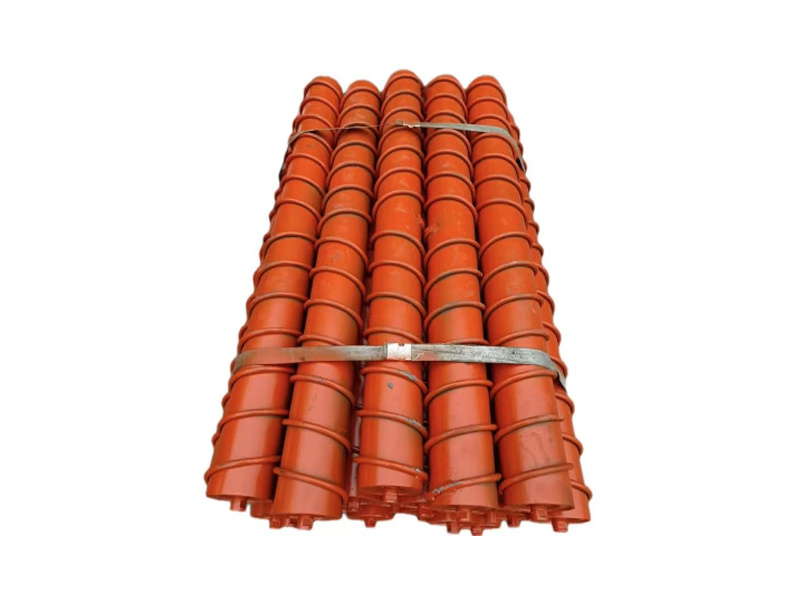
Mainly used to support the conveyor belt and the materials on it, reduce the running resistance of the conveyor belt, and ensure the smooth operation of the conveyor belt.
Contact Us
Tel:+86-15832022608(General Yan)
E-mail:yanzheng@hbsj-fasteners.com
Add: South of Liu Han Village, Liu Han Township, Yongnian District, Handan City, Hebei Province


Online Message
Please leave your demand information here, we will contact you within one working day and provide product solutions, please pay attention to check your email.