Professional manufacturer of one-stop supporting products for industrial and mining accessories.



Definition and Purpose
The switch mover is an important device in the railway track system, mainly used to change the position of the switch, allowing trains to switch from one track to another. It is widely used in railway classification yards, station throat areas, and industrial railways, ensuring that trains can travel along the correct route, playing a key role in the efficient operation and safe scheduling of railways.
Structural Composition
Base part: Usually a sturdy metal base, fixed to the track bed or ground near the switch with bolts or other means. This base needs to have sufficient stability and strength to withstand the forces generated during the switching process and maintain its position over long-term use.
Action Mechanism:
Manual switch mover: Mainly consists of a handle, connecting rod, and switch components. The operator rotates the handle, transmitting force through the connecting rod to move the switch components (such as the switch blade), thereby changing the position of the switch. The handle is generally designed for easy grip and force application, with a moderate length, considering ergonomic factors to reduce the operator's labor intensity. The connecting rod is usually a mechanical transmission structure made of metal rods, connecting the handle and switch components, effectively transmitting force while ensuring that the direction and magnitude of the force meet the requirements. The switch components are the parts that directly contact the switch and change its position, with shapes and sizes matching the structure of the switch, accurately moving the switch blade to the corresponding position.
Electric switch mover: Includes a motor, reducer, transmission rod, and switch components. The motor provides power, converting the high-speed rotation of the motor into low-speed, high-torque output suitable for switching through the reducer, and then transmits the power to the switch components via the transmission rod to drive the switch change. The motor of the electric switch mover is generally a special motor with high torque and reliability, while the reducer is designed according to specific torque requirements and transmission ratios. The transmission rod needs to have sufficient strength and precision to ensure accurate power transmission.
Hydraulic switch mover: Mainly consists of a hydraulic pump station, hydraulic cylinder, hydraulic pipeline, and switch components. The hydraulic pump station provides high-pressure hydraulic oil, which is delivered to the hydraulic cylinder through the hydraulic pipeline. The piston of the hydraulic cylinder moves under the pressure of the hydraulic oil, driving the switch components. The hydraulic pump station typically includes components such as a motor, oil pump, and hydraulic oil tank, capable of providing stable hydraulic power. The hydraulic cylinder is the key execution component, with the stroke and thrust of its piston designed according to the requirements of the switch, and the hydraulic pipeline needs to ensure the sealing and smooth transmission of hydraulic oil.
Locking device: Whether manual, electric, or hydraulic switch movers, a locking device is needed to ensure that the position of the switch remains stable after switching. The locking device can be a mechanical lock, hydraulic lock, or electromagnetic lock. The mechanical lock fixes the switch components in the corresponding position through a mechanical structure, which is simple and reliable; the hydraulic lock uses the characteristics of the hydraulic system itself to lock the piston after it reaches the set position, preventing movement; the electromagnetic lock uses electromagnetic force to lock the switch components, facilitating automated control.
Indicating device: To allow operators or signal systems to intuitively understand the current position of the switch, switch movers are usually equipped with indicating devices. This device can be a mechanical pointer, indicator light, or electronic display. The mechanical pointer is connected to the switch components via a connecting rod and rotates with the change in switch position, indicating whether the switch is in the normal or reverse position; the indicator light is connected to the action mechanism of the switch mover through a circuit, lighting up when the switch is in the correct position; the electronic display can show more detailed information, such as switch number, position status, and fault indications.
Working Principle
Working principle of manual switch mover: The operator grips the handle and applies force, the rotational motion of the handle is converted into linear motion through the connecting rod, pushing the switch components (such as the switch blade) to move along the track direction. When the switch blade moves to the predetermined position, it is fixed by the locking device, completing the switch position change.
Working principle of electric switch mover: Upon receiving a control signal (which can be a manual operation button signal or an automated system command signal), the motor starts, and after reducing speed and increasing torque through the reducer, it pushes the switch components to move via the transmission rod. When the switch components reach the designated position, the motor stops working, and the locking device locks the switch position. At the same time, the indicating device displays the corresponding information based on the switch position status.
Working principle of hydraulic switch mover: When the hydraulic switch mover is activated, the motor of the hydraulic pump station drives the oil pump to work, delivering hydraulic oil from the hydraulic oil tank at high pressure to the hydraulic cylinder. The piston of the hydraulic cylinder moves the switch components under the pressure of the hydraulic oil. When the switch components reach the set position, the hydraulic system locks the piston position through the locking device, maintaining the stability of the switch state. The indicating device will also display the position information of the switch accordingly.
Tag:
Moving tool
Contact Us:
Product Classification:
Product inquiry
Note: Please leave your Tel, our professionals will contact you as soon as possible and provide product solutions!
Related Products
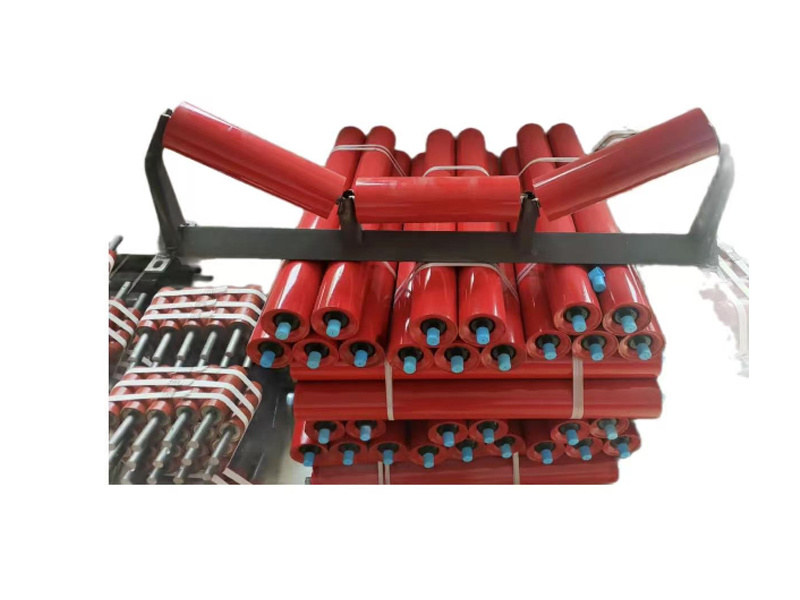
Mainly used to support the conveyor belt and the materials on it, reduce the running resistance of the conveyor belt, and ensure the smooth operation of the conveyor belt.

Mainly used to support the conveyor belt and the materials on it, reduce the running resistance of the conveyor belt, and ensure the smooth operation of the conveyor belt.
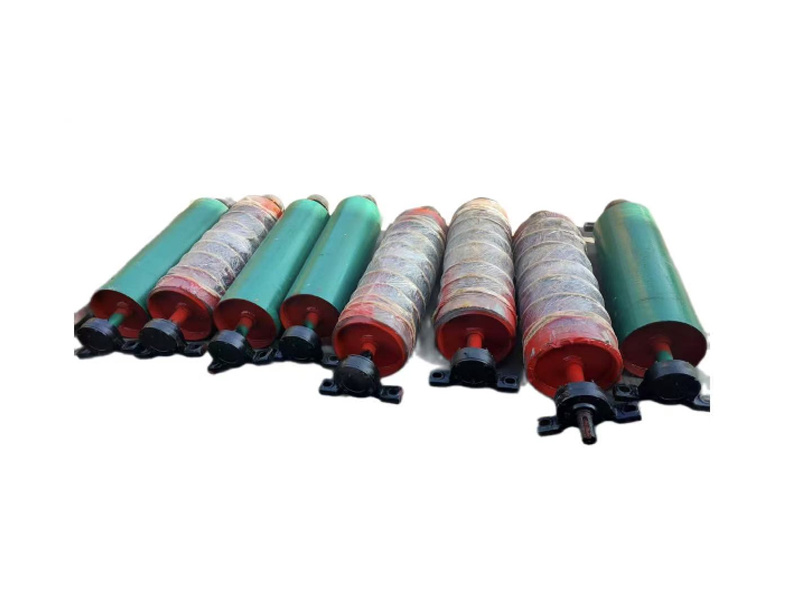
Available in various diameters and lengths to perfectly fit your conveying system.
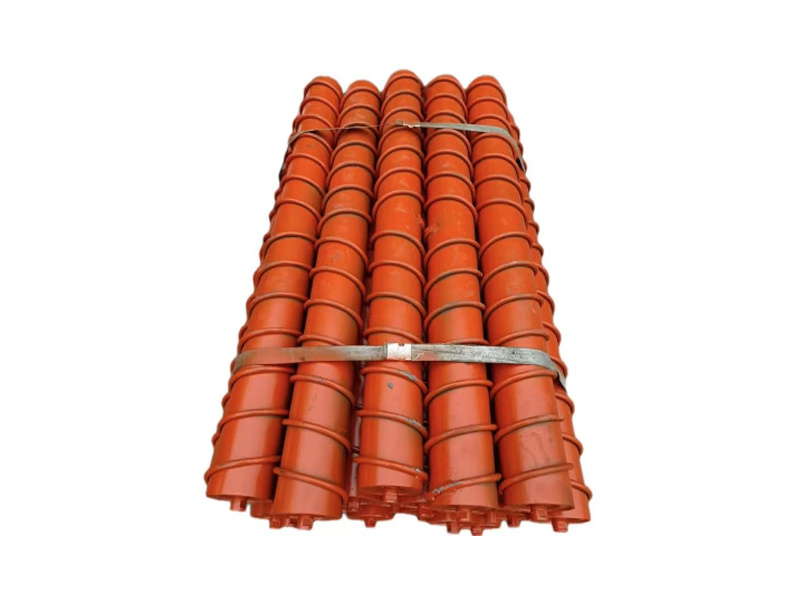
Mainly used to support the conveyor belt and the materials on it, reduce the running resistance of the conveyor belt, and ensure the smooth operation of the conveyor belt.
Contact Us
Tel:+86-15832022608(General Yan)
E-mail:yanzheng@hbsj-fasteners.com
Add: South of Liu Han Village, Liu Han Township, Yongnian District, Handan City, Hebei Province


Online Message
Please leave your demand information here, we will contact you within one working day and provide product solutions, please pay attention to check your email.