Professional manufacturer of one-stop supporting products for industrial and mining accessories.



Definition and Use
The hydraulic bending machine is a specialized equipment used for bending processing of railway tracks and mining tracks. It is mainly used to bend straight steel rails into a certain arc according to design requirements, to adapt to the curved sections of railway lines or the track laying of underground bends in mines. This equipment can precisely control the degree of bending of the steel rails, ensuring that the curvature of the bends meets the track design standards, thereby ensuring the safe operation of trains or mine cars on the bends.
Structural Composition
Body Frame: Usually welded from high-strength steel, providing a stable support structure for the entire equipment. The body frame needs to have sufficient strength and rigidity to withstand the enormous pressure generated by the hydraulic system and the reaction force produced during the bending of the steel rails. Its shape is generally designed to be rectangular or trapezoidal, with base bolt holes at the bottom for easy fixation of the equipment on a solid ground or workbench.
Hydraulic System: This is the core part of the hydraulic bending machine, mainly including hydraulic pump, hydraulic cylinder, hydraulic valve, and hydraulic pipeline. The hydraulic pump is the power source, which draws hydraulic oil from the oil tank and delivers it to the hydraulic cylinder under high pressure. The hydraulic cylinder is the executing component, generating linear motion based on the pressure and flow of the hydraulic oil, pushing the bending mold to bend the steel rail. The hydraulic valve is used to control the direction, pressure, and flow of the hydraulic oil, achieving precise control of the hydraulic cylinder's actions. The hydraulic pipeline is responsible for connecting various hydraulic components, ensuring that the hydraulic oil can circulate smoothly in the system.
Bending Mold: Composed of upper and lower molds, its shape and size are designed according to the model of the steel rail and the required bending curvature. The upper mold is usually movable, and through the push of the hydraulic cylinder, it cooperates with the lower mold to clamp the steel rail in the middle for bending. The surface of the mold is generally treated specially, such as quenching, chrome plating, etc., to improve the hardness and wear resistance of the mold, preventing excessive wear during the bending process with the steel rail.
Operation Control Console: Includes various operation buttons, pressure gauges, and control knobs. Operators can start or stop the hydraulic pump through the operation control console, control the extension speed and stroke of the hydraulic cylinder, and monitor the pressure of the hydraulic system in real-time through the pressure gauge, ensuring that the bending operation is carried out within a safe pressure range. The design of the operation control console takes ergonomic factors into account, facilitating operation by the operators.
Working Principle
First, place the straight steel rail between the upper and lower bending molds of the hydraulic bending machine, and start the hydraulic pump through the operation control console. The hydraulic pump delivers hydraulic oil to the hydraulic cylinder, causing the piston of the hydraulic cylinder to extend, pushing the upper bending mold downward. As the upper mold presses down, the steel rail gradually bends under the action of the upper and lower molds. During the bending process, operators can adjust the pressure and stroke of the hydraulic cylinder by controlling the hydraulic valve according to design requirements, thereby precisely controlling the degree of bending of the steel rail. When the steel rail is bent to the required curvature, the hydraulic pump is turned off, stopping the hydraulic cylinder, and then the bent steel rail is removed.
Hydraulic Bending Machine
Contact Us:
Product Classification:
Product inquiry
Note: Please leave your Tel, our professionals will contact you as soon as possible and provide product solutions!
Related Products
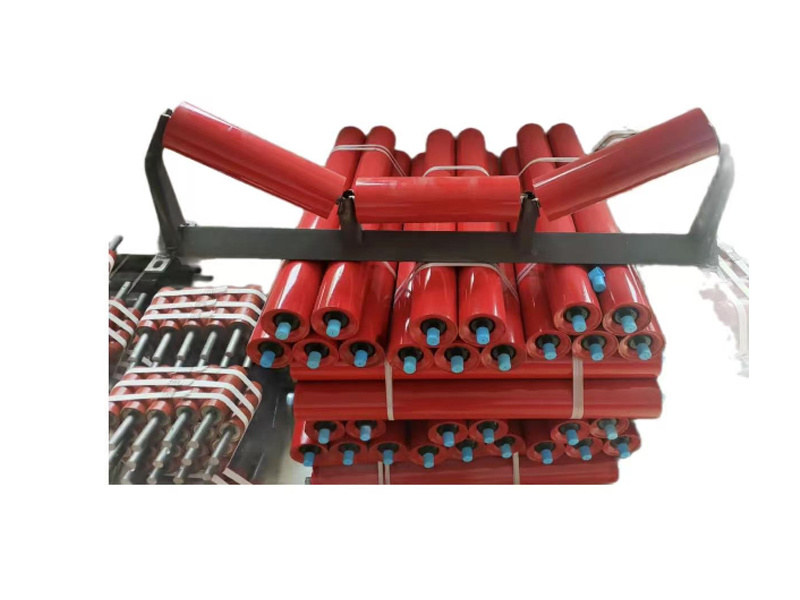
Mainly used to support the conveyor belt and the materials on it, reduce the running resistance of the conveyor belt, and ensure the smooth operation of the conveyor belt.

Mainly used to support the conveyor belt and the materials on it, reduce the running resistance of the conveyor belt, and ensure the smooth operation of the conveyor belt.
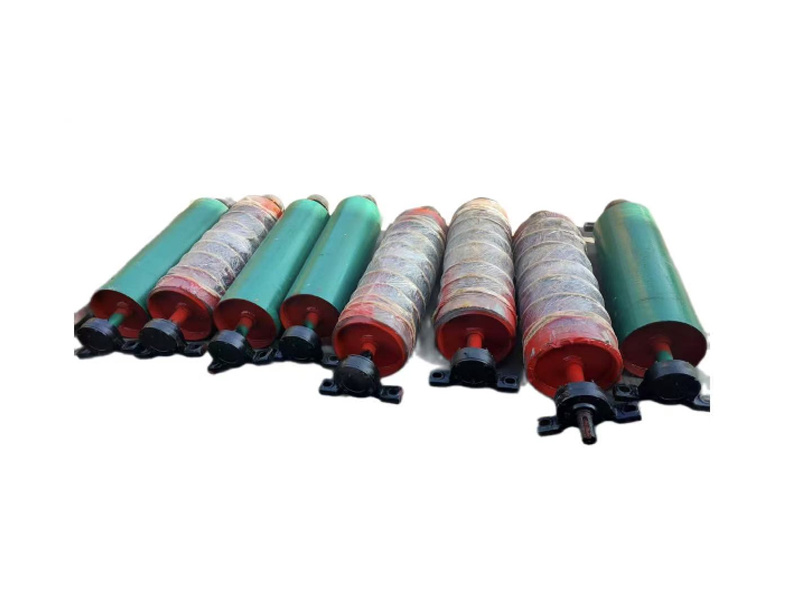
Available in various diameters and lengths to perfectly fit your conveying system.
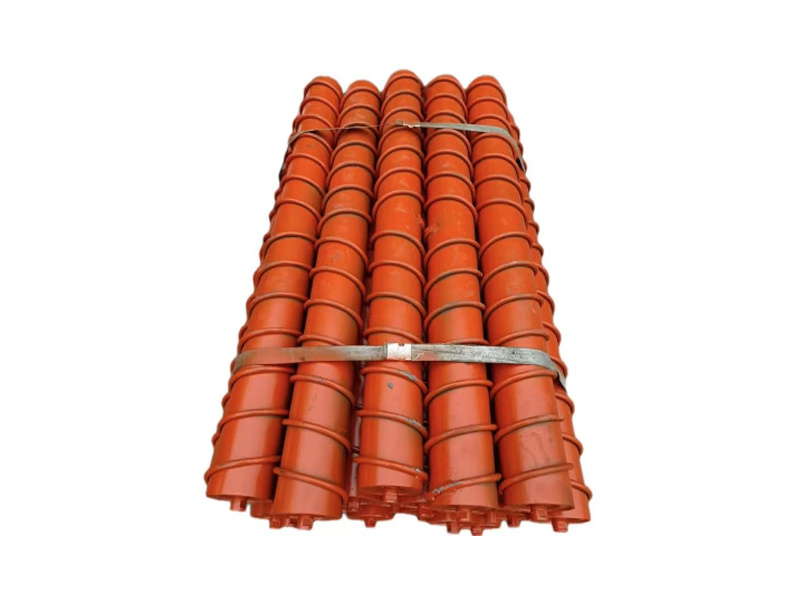
Mainly used to support the conveyor belt and the materials on it, reduce the running resistance of the conveyor belt, and ensure the smooth operation of the conveyor belt.
Contact Us
Tel:+86-15832022608(General Yan)
E-mail:yanzheng@hbsj-fasteners.com
Add: South of Liu Han Village, Liu Han Township, Yongnian District, Handan City, Hebei Province


Online Message
Please leave your demand information here, we will contact you within one working day and provide product solutions, please pay attention to check your email.